The battlefield has changed. Innovation has developed. Unused parts have showed up. One of the most critical new roles in the U.S. Army is the drone pilot.
These warriors work unmanned airplane frameworks, too called UAS or drones. Their work is crucial. Their missions are complex. And their aptitudes offer assistance keep the nation safe.
This web journal will clarify what a US Army Drone Pilot does, how they prepare, what devices they utilize, and why their part things. The dialect is kept straightforward. The sentences are kept brief. The objective is to make everything simple to understand.
What Is a US Army Drone Pilot?
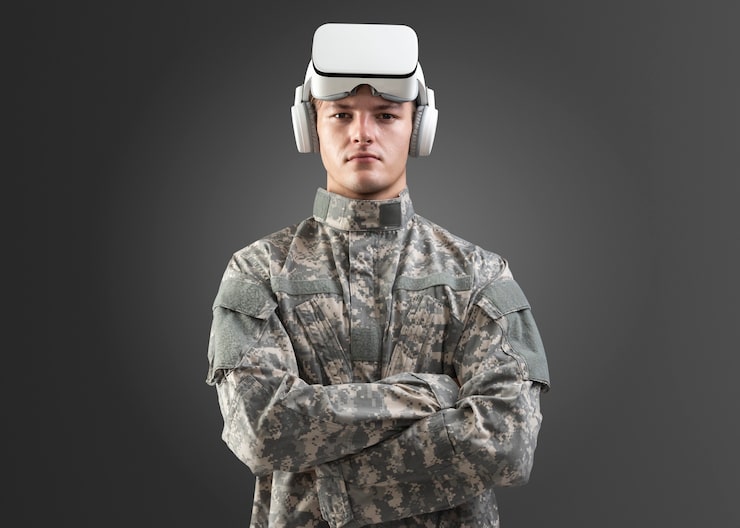
A drone pilot is a officer who controls an unmanned air ship. The air ship can fly over long separations. It can collect imperative data. It can bolster troops on the ground. It can offer assistance commanders make way better decisions.
Read Also: Daily Life of the British Land Army Workers
The work is portion of the MOS 15W part. MOS stands for Military Word related Strength. This implies 15W is the code for the ramble administrator work inside the Army.
Drone pilots are prepared to:
- Fly the drone
- Monitor video feeds
- Gather intelligence
- Communicate with ground units
- Help arrange missions
Some people think drone pilots as it were sit behind computer screens. That is not genuine. Drone pilots are prepared troopers. They take after Armed force rules, work long hours, and bolster genuine missions.
Why Are Drone Pilots Important?
Drones see what people cannot see. They can fly tall. They can fly distant. They can fly in unsafe places. This makes a difference keep officers safe.
Drone pilots back missions by:
1. Giving Real-Time Information
The ramble can send live video. Commanders can observe that video and make way better choices.
2. Making a difference Discover Adversary Positions
A ramble can spot development. It can identify vehicles. It can track covered up threats.
3. Ensuring Soldiers
Before a group enters an region, a ramble can check it. This decreases risk.
4. Conveying Intelligence
The data assembled by rambles can be put away, considered, and utilized to arrange future missions.
The work is basic. Mission success regularly depends on the drone pilot’s eyes in the sky.
How Do You Become a Drone Pilot in the Army?
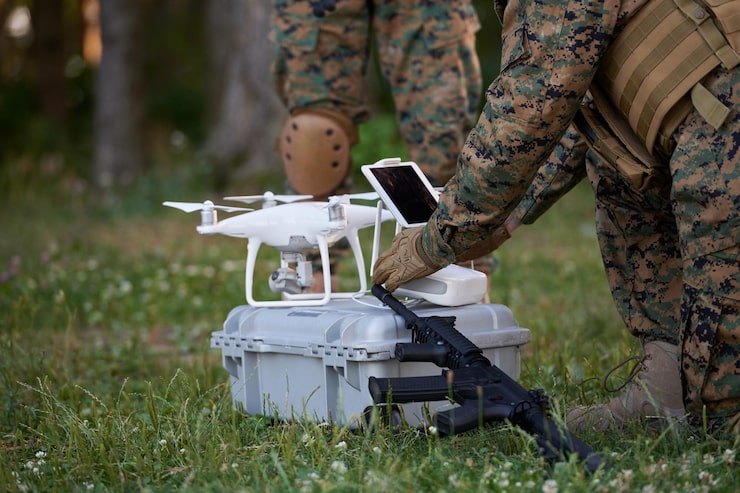
Becoming a drone pilot requires preparing, center, and teach. The prepare is straightforward to get it, but not continuously simple to complete.
You Must Also Like: Land-Based Military Tactics in Counter-Terrorism Operations
Step 1: Meet Essential Requirements
You must:
- Be at slightest 17 a long time old
- Have a tall school confirmation or GED
- Be physically fit
- Pass the ASVAB test
The ASVAB is a test that measures information and abilities. To become a drone pilot, the officer needs a qualifying score in certain categories.
Step 2: Total Fundamental Combat Training
This preparing endures approximately 10 weeks. It teaches:
- Army values
- Physical fitness
- Weapon safety
- Teamwork
- Field skills
Every warrior must total this stage, no matter their job.
Step 3: Go to Progressed Person Preparing (AIT)
This is where drone pilots learn their claim to fame. AIT for MOS 15W ordinarily keeps going a few months. Amid this preparing, troopers learn:
- How to dispatch a drone
- How to control the drone
- How to examined maps
- How to analyze video
- How to use radios and communication tools
- How to react to crises in the air
Much of the preparing employments test systems. These test systems feel like genuine missions but are more secure for beginners.
What Do Drone Pilots Learn in Training?
The preparing is point by point. Ramble pilots must know more than fair flying. They must get it the whole system.
Here are key skills:
1. Flight Control
Pilots learn how to take off, fly, turn, and arrive the ramble. They hone in numerous climate conditions.
2. Navigation
They learn how to use GPS, maps, and arranges. They must take after strict flight paths.
3. Mission Planning
Pilots help plan where the drone will go and what it will do.
4. Sensor Operation
Drones have cameras and sensors. Pilots learn how to use these devices to spot targets or accumulate data.
5. Communication
Pilots conversation with ground troops. They share data rapidly and clearly.
6. Security Rules
Flying a drone requires cautious consideration. Pilots must take after Armed force and government flying rules.
Training plans the pilot for genuine missions, where each choice matters.
Types of Drones Used in the U.S. Army
The Armed force employments a few sorts of unmanned air ship. Each one has a uncommon purpose.
1. RQ-7B Shadow
This is one of the most common drones. It is medium-sized. It can remain in the discuss for hours. It sends clear video and can cover expansive areas.
2. RQ-11 Raven
This drone is little and hand-launched. A warrior can toss it into the discuss. It is used for brief missions and neighborhood surveillance.
3. Jaguar UAS
This drone is used for ground units and uncommon groups. It works well in numerous environments.
4. Gray Hawk (worked by progressed teams)
This drone is bigger. It can fly higher and longer. It is used for major missions and profound insights gathering.
Each drone gives the Armed force a distinctive advantage. Drone pilots may learn more than one framework amid their career.
Daily Life of a Drone Pilot
The work of a drone pilot can alter each day. Their schedule depends on the mission. On a ordinary day, a pilot may:
- Prepare equipment
- Check climate reports
- Plan a flight path
- Launch the drone
- Watch video feeds
Communicate with warriors in the field
- Record data
- Write mission reports
Some days include long hours. A few missions happen at night. The work requires center, tolerance, and consideration to detail.
Where Do Drone Pilots Work?
Drone pilots work in many areas. A few work on Armed force bases in the Joined together States. Others work abroad. A few pilots fly drones from secure offices thousands of miles absent whereas the flying machine flies in another country.
This adaptability permits the Armed force to bolster missions around the world.
Skills Required to Be a Great Ramble Pilot
Not everybody is suited for this part. A great ramble pilot needs certain qualities.
Calm Focus
Pilots must remain calm beneath weight. Botches can be costly.
Attention to Detail
A little detail on the screen can cruel a lot.
Good Communication
Pilots must pass data quick and clearly.
Technical Ability
They work computers, sensors, and progressed equipment.
Teamwork
Drone pilots work closely with other soldiers.
These abilities can be learned, but normal intrigued helps.
Career Openings After the Army
Drone encounter is profitable in civilian life. Many businesses use drones today.
Former Army drone pilots can work in:
- Law enforcement
- Search and rescue
- Disaster response
- Commercial drone companies
- Government agencies
- Private security
- Agriculture
- Construction
- Filmmaking
The abilities picked up in the Armed force are regarded and frequently lead to solid career options.
Challenges of Being a Drone Pilot
The work is energizing, but it moreover has challenges.
Long Hours
Pilots may work many hours observing screens.
High Responsibility
Their choices influence missions and safety.
Mental Stress
Some missions are seriously and require cautious judgment.
Fast Innovation Changes
Pilots must remain overhauled on modern frameworks and tools.
Even with these challenges, many officers discover the work rewarding.
Why This Career Matters?
The U.S. Army relies intensely on rambles for advanced missions. Drone pilots give basic insights. They help secure officers. They back compassionate operations. They fortify national security.
Every mission in the sky makes a difference somebody on the ground. This makes the drone pilot a key player in today’s military world.
Final Thoughts
The role of a U.S. Army drone pilot is one of the most advanced and critical occupations in today’s military. The pilot may sit behind a control screen, but their activities reach distant over the war zone. They help spare lives. They offer assistance total missions. They bring innovation and procedure together.
If somebody appreciates innovation, cooperation, and significant work, this part can be a extraordinary choice. Drone pilots speak to the future of the Armed force. They are the eyes in the sky, directing and securing officers around the world.