
The modern front line is changing quick. Technology now plays a central part in maritime control. One of the greatest shifts is the utilize of rambles propelled specifically from ships at ocean.
The US Navy 5th Fleet is leading this alter. It works in one of the world’s most touchy districts. This armada is presently testing and deploying attack drones from naval vessels.
These developments say a part around the Status of the Navy nowadays. They moreover raise questions approximately ramble competition, particularly when individuals compare LUCAS drone vs Shahed used by other powers. This article clarifies what is happening, why it things, and what it implies for the future of maritime warfare.
What Is the US Navy 5th Fleet?
The US Navy 5th Fleet is based in the Center East locale. It works in the Persian Inlet, the Red Sea, the Arabian Sea, and adjacent waters. This region is exceptionally imperative for global exchange and security.
Read Also: The Fundamentals of Naval Architecture: Hydrodynamics and Stability
The fleet’s mission is to secure shipping paths. It moreover works to discourage dangers. In later years, rambles have ended up a key portion of this mission. Ships are no longer constrained to planes and missiles. Presently, rambles can be propelled specifically from the deck.
This reflects the Status of the Navy nowadays. The Naval force is getting to be more adaptable. It is utilizing innovation to react quicker and smarter.
Why Launch Drones From Ships?
Launching rambles from ships has many benefits. First, it increments reach. A ramble can fly distant past the ship’s radar. It can see dangers early. It can too strike targets if needed.
Second, it decreases chance. Pilots do not require to be in the discuss. The ramble takes the chance instep. If a ramble is misplaced, no human life is lost.
Third, it spares fetched. Rambles are regularly cheaper than manned aircraft. They moreover require less support. These reasons clarify why the Navy is investing intensely in ramble systems.
Attack Drones at Sea: How It Works?
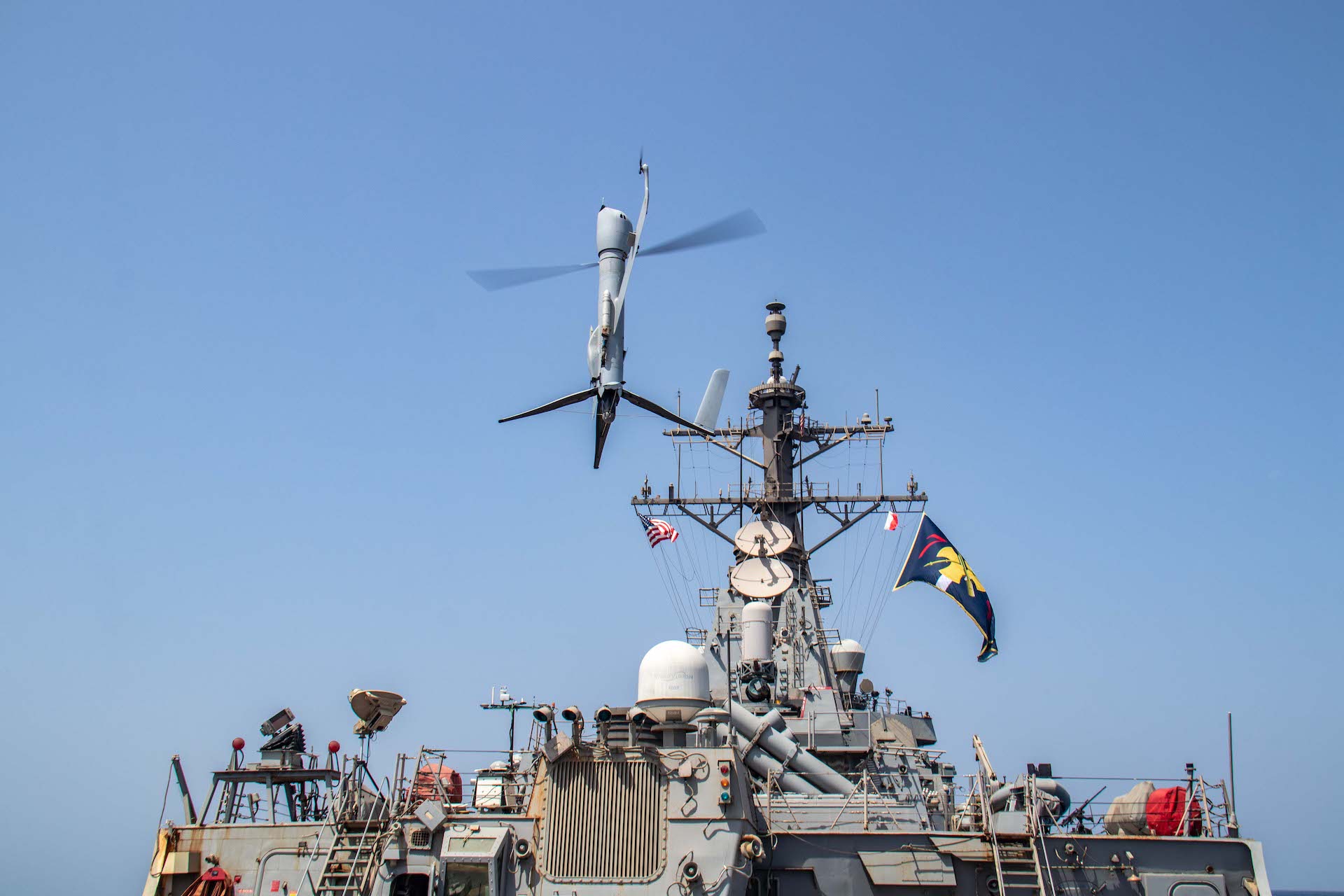
Attack rambles propelled from ships are as a rule little and spry. They are put away on deck or in uncommon dispatch frameworks. A few take off like planes. Others are propelled utilizing catapults or vertical dispatch systems.
You Must Also Like: Types of Naval Ships in Defense: A Complete Guide to Modern
Once airborne, the drone is controlled remotely. Sometimes it can work semi-autonomously. It can track targets. It can send live video back to the dispatch. In a few cases, it can carry weapons. This capacity is changing maritime operations. Ships can now project power without moving closer to danger.
The Strategic Importance of the 5th Fleet
The waters patrolled by the 5th Fleet are active and tense. Many dangers exist, counting quick attack vessels and unfriendly rambles. Utilizing drones from ships gives the Navy an advantage.
Drones can watch wide areas. They can watch choke focuses. They can react rapidly to suspicious action. This progresses situational awareness.
Experts say these moves reflect the Status of the Navy nowadays. The Navy is adjusting to unused dangers. It is no longer centered as it were on expansive ships and planes. It presently uses littler, more astute tools.
Understanding the Drone Threat Environment
Many countries and bunches presently utilize drones. A few rambles are cheap but viable. They can carry explosives. They can be propelled from arrive or sea.
This is why comparisons like LUCAS drone vs Shahed are frequently discussed. Different rambles serve diverse parts. Understanding them makes a difference clarify why the Naval force is overhauling its possess systems.
LUCAS Drone vs Shahed: A Simple Comparison
The LUCAS drone is a Western-designed framework. It centers on exactness, communication, and adaptability. It can work with progressed sensors and secure networks.
The Shahed ramble is known for being straightforward and low-cost. It has been utilized in clashes due to its long run and unstable payload. It is frequently propelled in huge numbers.
When individuals talk almost LUCAS drone vs Shahed, they more often than not cruel quality versus amount. LUCAS frameworks point for exactness and control. Shahed frameworks center on immersion and range.
This comparison highlights why the Navy prefers progressed systems. Exactness things at ocean. Control things indeed more.
Why the Navy Chooses Advanced Drones?
The Navy works in complex situations. Civilian ships are frequently adjacent. Botches can be exorbitant. That is why progressed rambles are preferred.
The LUCAS drone vs Shahed debate shows this clearly. The Navy needs drones that can distinguish targets precisely. They must avoid civilian hurt. They must work inside strict rules of engagement.
Advanced drones also integrate way better with ships and command centers. Information is shared in real time. Choices are made faster.
What This Says About the Status of the Navy Today?
The developing utilize of ship-launched drones appears a major move. The Navy is no longer depending as it were on conventional stages. It is becoming more agile. The Status of the Navy nowadays can be described in three words: versatile, technological, and forward-looking.
Budgets are being diverted. Preparing is being upgraded. Mariners are learning to work with unmanned frameworks. This is not a future arrange. It is happening now.
Training and Operations at Sea
Operating drones from ships requires new aptitudes. Groups must be prepared. Frameworks must be tried in genuine conditions. The 5th Fleet has been conducting exercises.
These tests incorporate drone dispatches, recuperation, and combat recreations. Lessons are learned and shared over the Navy. These operations are frequently done unobtrusively. But their affect is huge. They get ready the armada for cutting edge conflicts.
How Drones Improve Maritime Security?
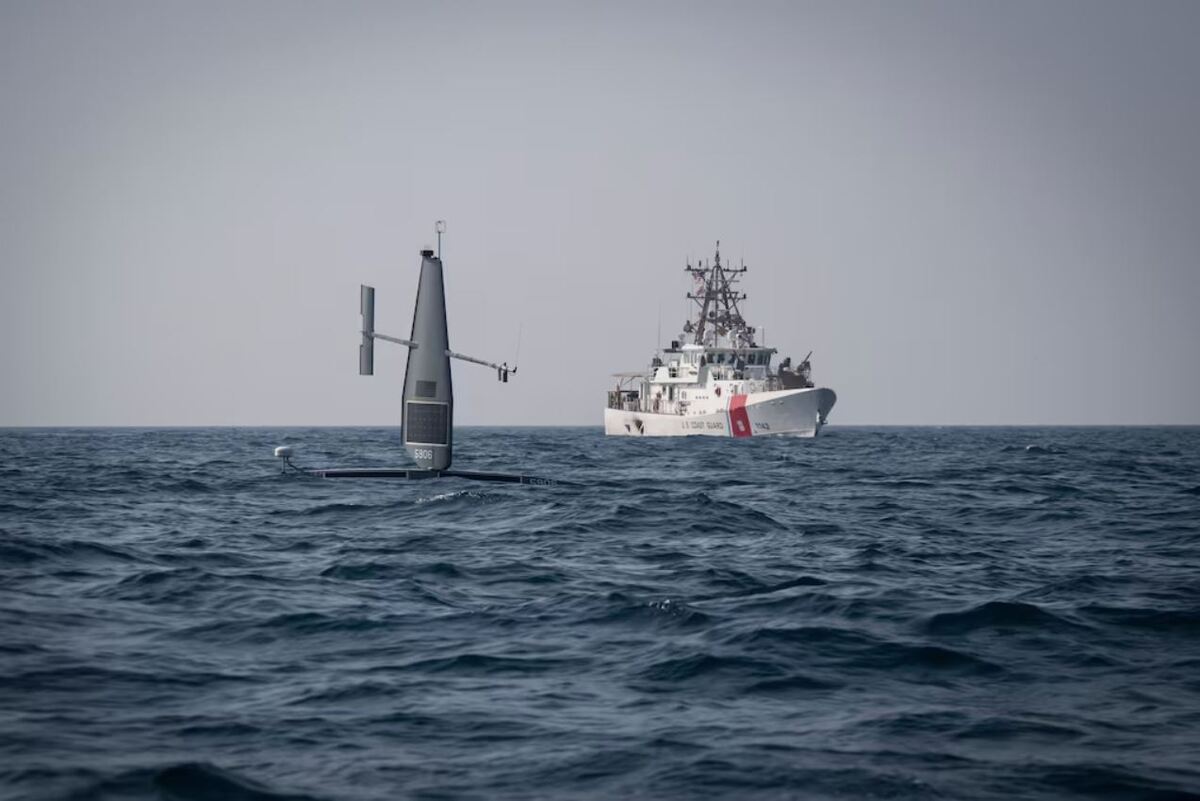
Drones help ensure shipping paths. They screen suspicious vessels. They can react rapidly to dangers like robbery or antagonistic drones. This is especially imperative in limit conduits.
A drone can see what a dispatch cannot. It can act as the ship’s eyes and ears. This part is developing. As dangers advance, drones become fundamental tools.
Global Reactions and Comparisons
Other navies are watching closely. A few are creating similar frameworks. Others depend on less complex drones. This is where discussions like LUCAS drone vs Shahed become global. Distinctive nations select different ways based on assets and goals.
The US Navy’s approach appears a inclination for control, security, and integration.
Challenges and Concerns
Despite the benefits, challenges exist.
Technology can come up short. Communication joins can be disturbed. Rambles can be targeted.
There are moreover ethical and legitimate concerns. Rules for ramble utilize at ocean must be clear. Worldwide law must be respected.
The Navy addresses these issues through strict rules and testing.
The Future of Naval Drone Warfare
Looking ahead, drones will gotten to be more autonomous. They will work in bunches. They will arrange with ships and aircraft.
The 5th Fleet’s current endeavors are fair the starting. Future armadas may depend intensely on unmanned systems.
This future reflects the Status of the Navy nowadays. Alter is consistent. Innovation is necessary.
Final Thoughts
The dispatch of assault drones from ships by the US Navy 5th Fleet marks a new period. It appears how maritime fighting is advancing. Innovation is reshaping how control is anticipated at sea.
Comparisons like LUCAS drone vs Shahed help clarify why progressed systems matter. Exactness, control, and integration are key.
Overall, these developments donate a clear picture of the Status of the Navy nowadays. The Navy is modernizing. It is reacting to new dangers. And it is planning for the future.
The seas are changing. The Navy is changing with them.