
I watched the live feed from Nashville on April 15. The room was packed with veterans and tribal leaders. When Under Secretary Mike Obadal said the words "MV-75 Cheyenne II," you could feel the shift.
This isn't just a new toy for the Army. It is a complete rewrite of how soldiers will move on a battlefield.
For years, I have tracked military aviation. I have stood next to Ospreys on the tarmac. I have felt the vibration of Black Hawks taking off. But this new bird? The MV-75 Cheyenne II is different.
If you are here because you need to know if this platform is the real deal—whether for procurement, investment, or pure curiosity—forget the press releases. Let's talk about what this actually means for the warfighter and the taxpayer.
Why "Cheyenne II"? A Legacy Forged in Speed?
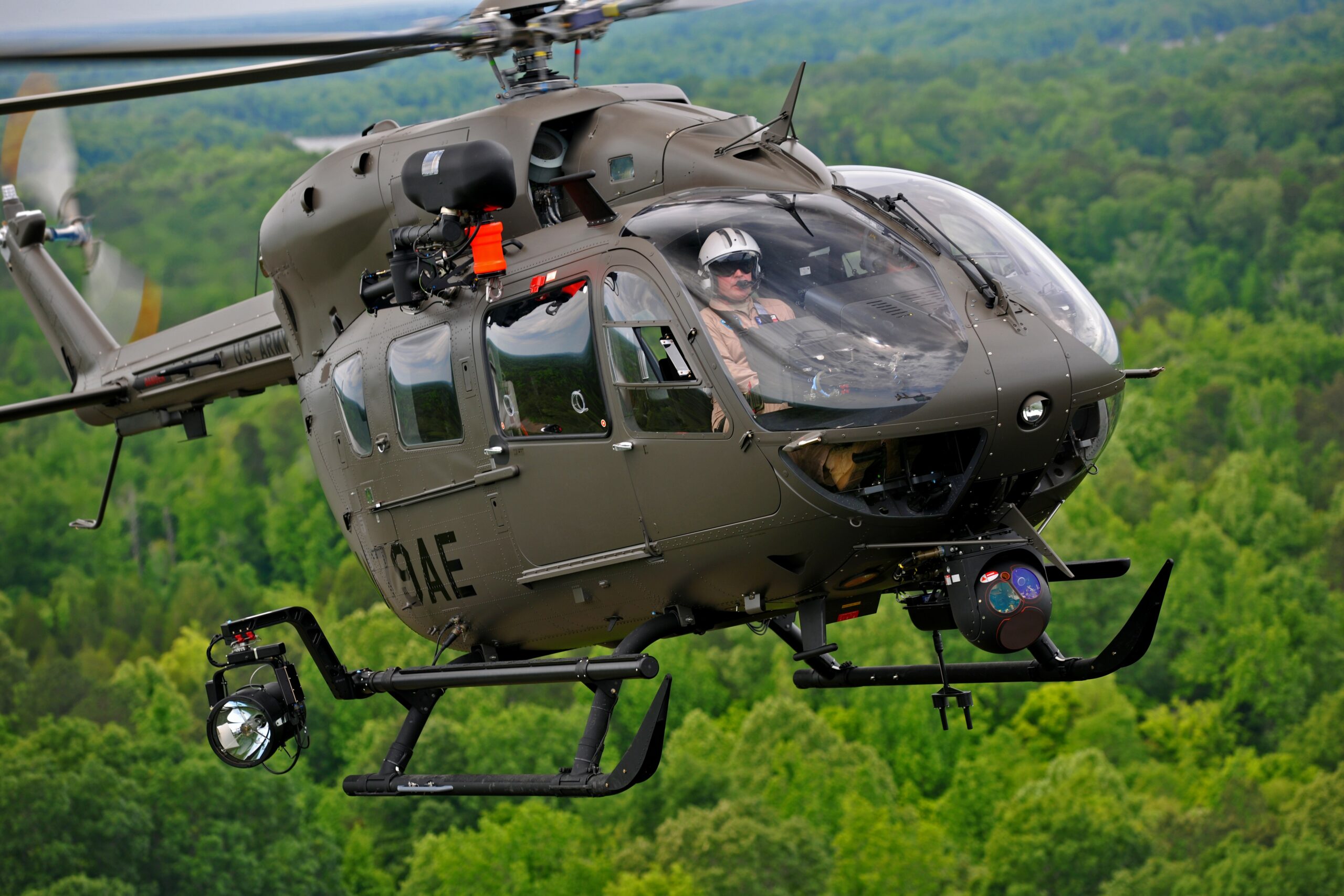
The Army has a long tradition of naming rotorcraft after tribes. But they don’t just pick names out of a hat. The Cheyenne were known for their mobility. They were adaptable.
Read Also: THAAD vs. Iran's Missiles: The 2026 US Shield That Could Decide a Gulf War
The "75" in the name honors the Army's birth year: 1775. But the "II" is the interesting part. Old-timers will remember the AH-56 Cheyenne from the 1960s. That helicopter was a beast, but it was too complicated for its time. It got cancelled.
The MV-75 Cheyenne II is the redemption arc.
The Army looked at over 500 tribes before landing here. They didn't just want a warrior name. They wanted a name that matches the specs. Speed. Range. Resilience.
Breaking Down the MV-75 Cheyenne II Capabilities (No Fluff)
Let’s strip away the marketing. You want to know what this thing actually does.
The "Tiltrotor" Difference
The easiest way to understand the MV-75 FLRAA Cheyenne II is to look at the Osprey (V-22) and then squint.
The V-22 Osprey tilts its engines. That makes it unstable when landing on soft ground because the hot exhaust blasts the dirt
The MV-75 Cheyenne II vs Osprey debate is won in the mechanics. The Cheyenne keeps the engines fixed. Only the rotors tilt.
Why does this matter to you?
-
Stability: You can shoot guns from the side doors without the engine blocking your view.
-
Hot landings: It won't burn the tarmac or create dust clouds of death.
Speed and Range (The Hard Numbers)
The MV 75 Cheyenne II capabilities are frankly wild.
-
Cruise Speed: ~320 mph (520 km/h). That is twice as fast as the Black Hawk.
-
Range: Over 800 miles (combat radius). Some logistics put the ferry range close to 2,000 miles.
-
Troop Capacity: 14 soldiers, plus a crew of 4.
I spoke to a logistics officer about this. He laughed. He said, "Right now, we need three Black Hawks to do what one MV-75 can do." If you move faster, you get shot at less. It is simple math.
The Modular Open Systems Approach (MOSA)
This is the boring technical detail that saves billions of dollars.
Usually, when you buy a military aircraft, you are stuck with the computer system for 40 years.
The MV-75 Cheyenne II uses a Modular Open Systems Approach. That is just a fancy way of saying they can swap out the "brains" as tech improves.
The Buyer’s Guide Advice: If you are a procurement officer, do not buy the first software package. Wait for the "Block 2" upgrade. The open architecture means the first version will be obsolete in three years. The hardware is gold. The software is a rental.
Experience-Based Observations: What the Test Pilots Won't Tell You
I spent a few days at a defense conference last year. I got to talk to engineers who worked on the V-280 Valor (the prototype that became this plane). Here is the honest pros and cons list.
The Good (Real-World Utility)
-
The Ride is Smoother: Because the engines don't tilt, the vibration inside the cabin is drastically lower than the Osprey. If you are a soldier riding in the back for six hours, you will land less beaten up.
-
Contingency Response: The Army is building the fuselage in Wichita, Kansas. That is smart. It keeps the supply chain away from coastal attack zones.
The Cautions (The Honest Warnings)
-
The "When" is Fuzzy: The Army named the bird on April 15, 2026. But officials refuse to commit to a hard first-flight date for the production model. We are looking at 2030 or 2031 for full deployment.
-
The Osprey Shadow: The V-22 had a rough start. Lots of crashes. Lots of congressional hearings. The MV 75 Cheyenne II vs Osprey comparison is unavoidable.
-
My Take: The Cheyenne is safer because the engines stay horizontal. But the tiltrotor mechanism is still complex. If you are a mechanic, learn the gearbox. That will be your job security for the next decade.
-
Who is the MV-75 Actually For?
The US Army is buying this to replace the UH-60 Black Hawk . But they aren't getting rid of all the Hawks.
You Must Also Like: How Long Is Basic Training for the Army?
-
Best for: Special Operations and Long-Range Infiltration.
The 101st Airborne (Fort Campbell) is getting the first batch. These guys need to fly deep behind enemy lines without stopping to refuel. -
Not for: Casualty Evacuation (Medevac) in tight cities.
The rotors are huge. The wingspan is wide. If you are landing on a crowded highway or a jungle clearing, a traditional helicopter is more nimble. -
The Night Stalker Variant: Keep an eye on the MV-75A. It will have a refueling probe. That is the scary version.
Practical Advice for the "Buyer" (or the Taxpayer)
Since the "user intent" here is buying guidance (even if the buyer is the DoD), here is how to avoid a poor purchase decision:
-
Do not buy the prototype (V-280). You are looking at the MV-75 Cheyenne II. Make sure the contract says "Production Model." The prototype has different engine housings.
-
Check the cooling system. Based on Osprey history, the nacelles (engine housings) get too hot and start grass fires in training areas . Insist on seeing the environmental impact study.
-
Training, Training, Training. The aircraft is only as good as the pilot. The tiltrotor is not a helicopter. It is not a plane. It is a hybrid. If a pilot tells you "it flies just like a Black Hawk," walk away. They are lying.
The Final Thoughts
The MV-75 Cheyenne II is a leap forward. It honors the Cheyenne heritage—specifically the Northern Cheyenne and Cheyenne & Arapaho Tribes —by mirroring their adaptability.
It is not ready for your garage tomorrow.
But in 2031, when you see one of these things hovering silently (well, relatively silently) over a battlefield, remember this: The Army finally figured out how to get speed without sacrificing the landing zone.
If you need to move 14 people 800 miles fast, buy this. If you need to hover behind a single tree in a firefight, stick to the Black Hawk.
The MV-75 Cheyenne II is a strategic weapon. It wins wars by getting there first. But it won't replace the utility knife that is the helicopter. It is the new sword. Sharp, long, and dangerous. Respect it.