
The Navy wants battleships back. Not the old Iowa-class from your grandfather's war. Something new. Something mean. Something called the USS Defiant Trump-class.
I have followed naval programs for fifteen years. Seen the Zumwalt fail. Seen the Ford class struggle. This one feels different.
Let me break down what the BBG(X) actually is. Why the Navy wants it. And whether it will ever sail.
What Is the USS Defiant Trump-Class?
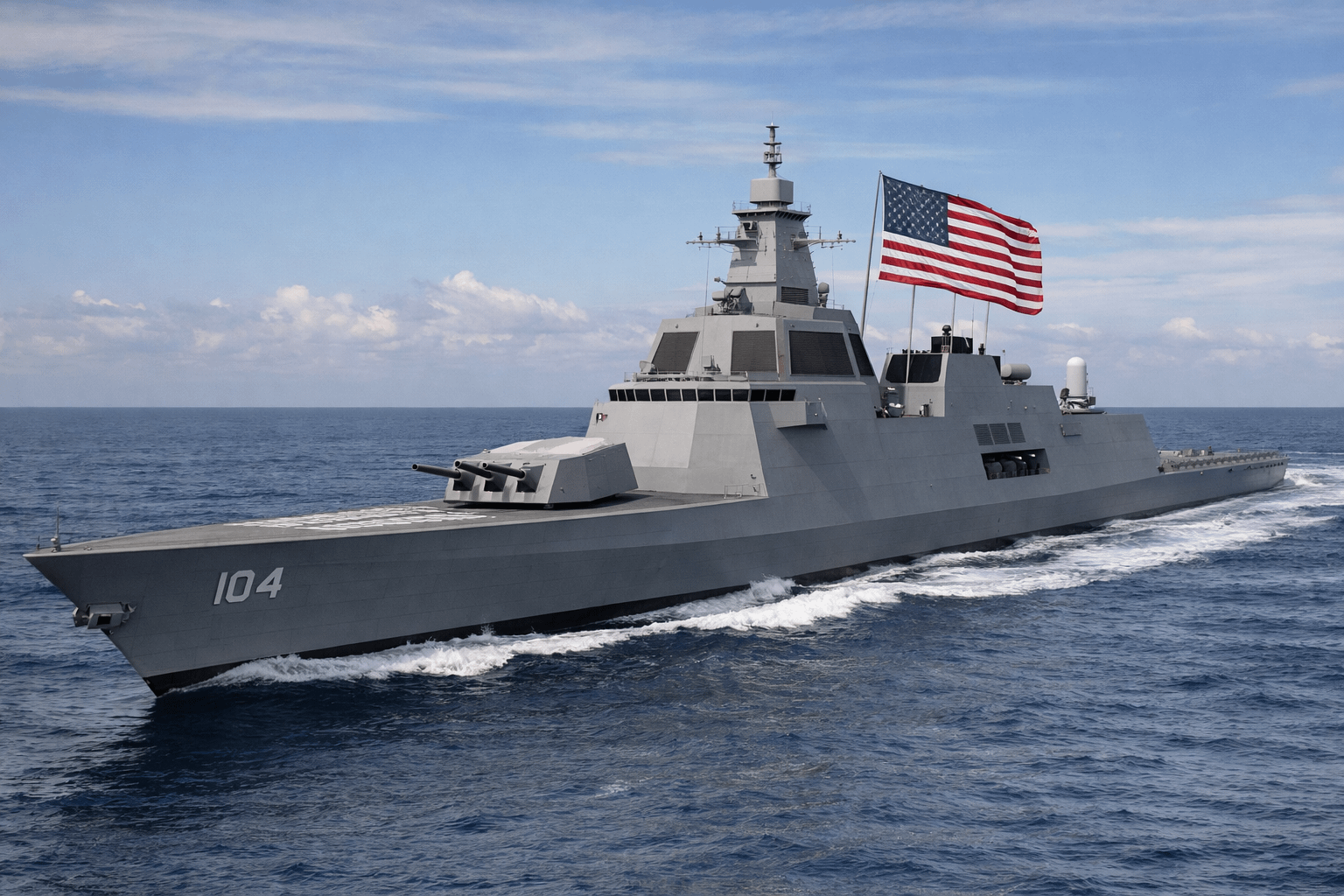
President Trump announced the "Golden Fleet" plan on December 22, 2025 at Mar-a-Lago. The centerpiece is a new battleship class. The first ship will be called USS Defiant (BBG-1). The class name? Trump-class.
Read Also: Secretary of the Navy Speaks at WEST 2026 Conference
The BBG designation breaks down like this. BB means battleship. G means guided missile. X means the design is not finished yet.
Trump Class Battleship Size: How Big Are We Talking?
The Trump class battleship size numbers are impressive but not insane.
Length: 840 to 880 feet
Beam: About 110 feet
Displacement: 35,000 to 40,000 tons fully loaded
Crew: Around 700 sailors
Top speed: 30 knots
So not the biggest ship in the fleet. But the biggest surface combatant since the Iowas left service in the 1990s.
Trump Class Battleship Design: What Is the Navy Planning?
The Trump class battleship design prioritizes firepower over stealth. That is a deliberate choice. Here is what the current schematics show:
Missiles:
-
128 MK-41 Vertical Launch System cells. These fire Tomahawk cruise missiles and Standard air-defense missiles.
-
12 Conventional Prompt Strike hypersonic missiles. These fly at five times the speed of sound. They sit in a dedicated bow section.
Guns:
-
Two 127mm Mark 45 naval guns
-
One 32-megajoule electromagnetic railgun
Lasers:
-
Two 300 kW laser systems for shooting down drones and missiles
Defense systems:
-
Rolling Airframe Missile launchers for close-in protection
-
Four 30mm Mk 38 cannons
-
SEWIP Block III electronic warfare systems
Air wing:
-
One V-22 Osprey or Future Vertical Lift aircraft
-
Space for drones and helicopters
The ship also carries nuclear-armed cruise missiles called SLCM-N. That is a big deal. Nuclear weapons on surface ships have been rare since the Cold War.
Why the Navy Shifted from DDG(X) to BBG(X)?
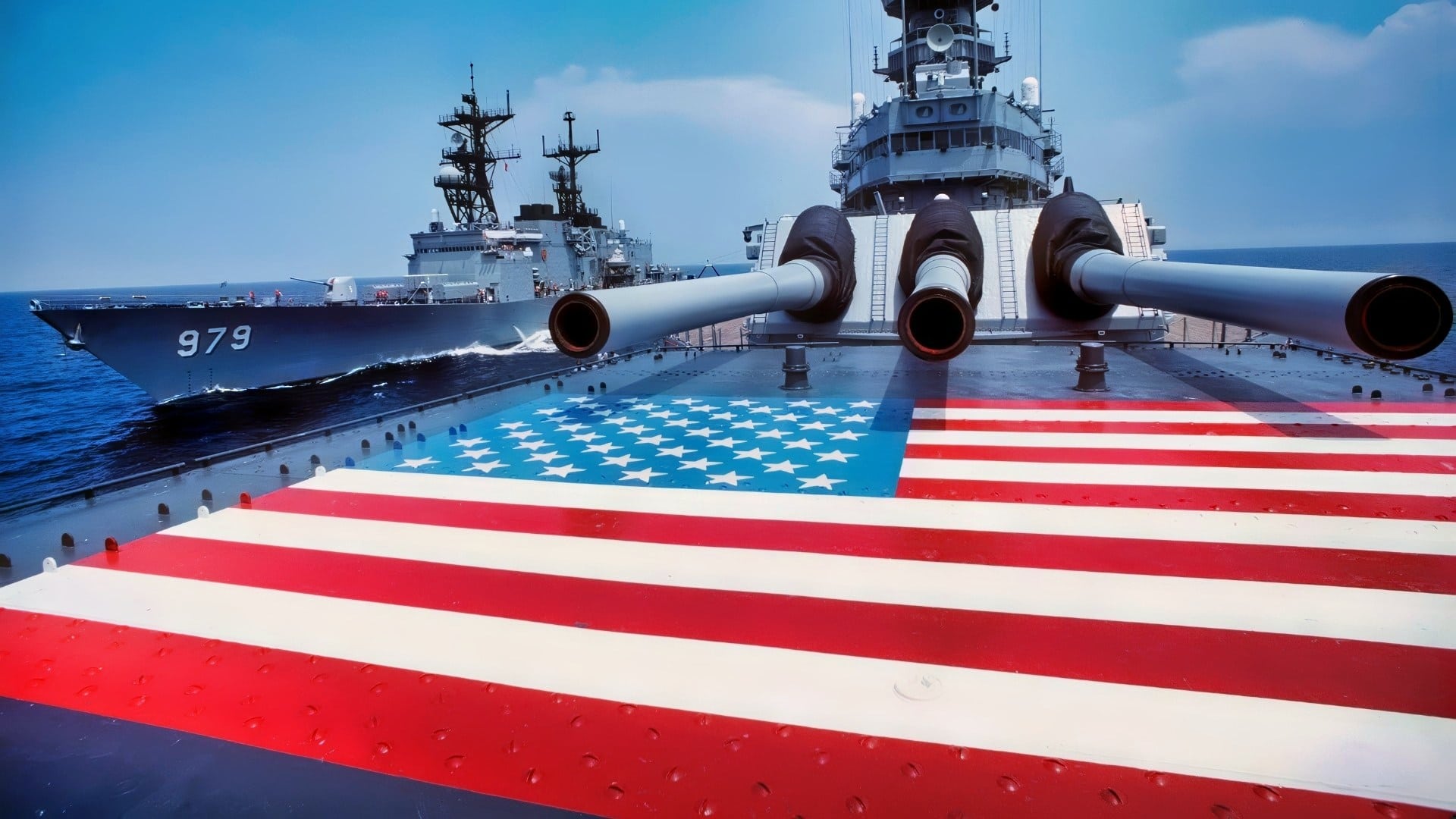
This part matters. The Navy originally planned a new destroyer called DDG(X). It would have been 14,500 tons. Then someone did the math. The Navy realized they could not fit everything into a destroyer-sized hull.
You Must Also Like: The Fundamentals of Naval Architecture: Hydrodynamics and Stability
You want 128 VLS cells? That takes space. You want 12 hypersonic missiles? That takes more space. You want a railgun? Even more space. Something had to go. Either cut the VLS cells in half. Or drop the gun entirely. The Navy refused both options.
So they upsized. The BBG(X) is basically a DDG(X) that went to the gym and ate all the protein. I have seen this pattern before. The Zumwalt started as a 16,000 ton destroyer. Ended up carrying 80 VLS cells instead of 117. Compromises everywhere.
The Navy does not want to compromise this time. So they built a bigger box.
The Weapons That Matter Most
Not all the guns and missiles are equal. Some matter more than others.
The hypersonic missiles are the real story. Twelve Conventional Prompt Strike weapons can hit any target on Earth within an hour. China and Russia have nothing that travels this fast from a ship.
The railgun is the wild card. The Navy has spent twenty years trying to make electromagnetic railguns work. They fire projectiles at Mach 7 using electricity instead of gunpowder. No moving parts. No explosive propellant. Just magnets and screaming metal.
But the technology is not mature. The Navy admitted at the SNA 2026 symposium that railgun development remains challenging. I will believe it when I see it fire in a real sea state.
The nuclear cruise missiles are controversial. SLCM-N brings back sea-launched nuclear weapons. Congress has debated this for years. The Trump administration pushed it through.
How Much Will This Cost? (The Real Numbers)
Here is where things get painful. The Congressional Budget Office estimates the first ship will cost $15 billion to $22 billion. Later ships will cost more than $9 billion each. To put that in perspective:
-
A Ford-class aircraft carrier costs about $13.3 billion
-
The USS Defiant could cost $20 billion or more
-
That is $6.7 billion more than a nuclear supercarrier
The Navy wants 15 to 25 ships total. Do the math. At $13 billion per ship for later vessels, a 20-ship fleet costs $260 billion. That is just construction. Not counting maintenance, crew, or weapons.
The Congressional Research Service released an analysis in January 2026 raising serious questions about affordability.
Mark Cancian from CSIS put it bluntly. "This ship will never sail. It will take years to design, cost $9 billion each to build, and contravene the Navy's new concept of operations. A future administration will cancel the program before the first ship hits the water."
Same pattern could happen here.
The Labor Problem Nobody Talks About
Money is one issue. Workers are another. Navy Secretary John Phelan said U.S. shipyards need to hire 250,000 more workers over the next decade. A quarter of the current workforce is retirement eligible within five years.
"Systems don't build ships. People do," Phelan told USNI News.
Shipyards already compete for welders, electricians, and metal workers. Adding a battleship program on top of carrier and submarine construction stretches everything thin.
I visited Bath Iron Works two years ago. The parking lot was full. The hiring signs were everywhere. They could not find enough people to weld steel.
Now multiply that problem across three shipyards. General Dynamics Bath Iron Works. Huntington Ingalls in Pascagoula. Huntington Ingalls in Newport News. All of them need workers. All of them struggle.
Where Would the USS Defiant Fight?
The Navy says the Trump-class will serve as fleet flagships. Command platforms for admirals.
But critics have a different take.
The Navy's own Distributed Maritime Operations concept says spread your weapons across many small ships. Do not put all eggs in one basket. The Trump-class does the exact opposite.
He called the proposed battleships "badass".
Fair point. But hard to shoot anything if a hypersonic missile hits you first.
Pros and Cons: The Honest Assessment
Pros:
-
Unmatched firepower. No other surface ship carries 128 VLS cells plus 12 hypersonic missiles.
-
Command and control. The Navy loses Ticonderoga-class cruisers soon. BBG(X) fills that flagship role.
-
Power generation. The ship needs massive electrical output for lasers and railgun. That same power supports future weapons not yet invented.
-
Presence. A battleship sends a message. Allies feel safe. Adversaries feel watched.
Cons:
-
Cost. $20 billion for the first ship is insane. That buys two Virginia-class submarines and change.
-
Vulnerability. One big target. One lucky missile. One very expensive firework.
-
Contradicts Navy doctrine. Distributed Maritime Operations says spread out. BBG(X) centralizes.
-
Unproven tech. Railgun does not work reliably. Lasers need more testing. Hypersonics are new.
-
Workforce. Who builds this? The shipyards cannot find enough people now.
Who Is This Ship For? (And Who Is It Not For)
Good for: The Navy needs a Ticonderoga replacement. The 22 remaining cruisers are old. Tired. Expensive to maintain. BBG(X) gives the fleet a true flagship with real punch.
Bad for: Taxpayers who want affordable defense. Twenty billion dollars for one ship is hard to justify when China builds cheaper anti-ship missiles.
Bad for: Sailors who will crew it. Seven hundred people on a ship with experimental weapons. Things will break. Things will catch fire. That is just reality.
Will Congress Approve It?
The Congressional Research Service report gave Congress a list of questions to ask:
-
Why a battleship instead of more destroyers?
-
Are railguns and lasers mature enough for 2030s deployment?
-
Does BBG(X) fit Distributed Maritime Operations?
-
What gets cut to pay for this?
Those are not softballs.
I have watched Congress kill programs for less. The Zumwalt survived only three ships. The Sea Wolf submarine survived only three. The A-12 Avenger II died completely.
The Trump-class has the name. It has the political backing. But budgets change. Administrations change. Priorities change.
The Real Timeline (When Will It Sail?)
Worst case scenario: The program gets canceled after spending $5 billion on studies and mockups. I lean toward the worst case. Not because the ship is bad. Because the math does not work.
Twenty billion dollars for the first ship. Thirteen billion for each follow-on. Two hundred fifty billion for a full fleet. That money comes from somewhere. Fewer submarines. Fewer carriers. Fewer destroyers. The Navy cannot afford all of it.
Final Thoughts (Short and Honest)
The USS Defiant Trump-class is a fascinating idea. Massive firepower. True flagship capability. Hypersonics, railguns, and lasers all on one deck.
But fascinating does not mean practical.
The Navy tried big surface combatants before. The Zumwalt failed. The Ticonderogas are aging out. The Burkes keep getting rebuilt because nothing better exists.
Maybe the Trump-class breaks the pattern. Maybe railguns finally work. Maybe hypersonics change everything. Maybe Congress writes a blank check.
Or maybe this becomes another expensive lesson in why battleships went extinct the first time.
I will believe it when I see steel cut. Until then, I am watching the budget hearings. That is where real decisions happen.