I have been following counter-drone technology for a while. I have seen the DroneGun Mk4 in action. It is a serious piece of equipment. It is not a toy. It is not for civilians. It is a military and law enforcement tool designed to stop drones.
This is a breakdown of the DroneGun Mk4 specifications and field performance. No hype. Just what I have learned from watching it deployed and reading the technical data.
What Is the DroneGun Mk4?
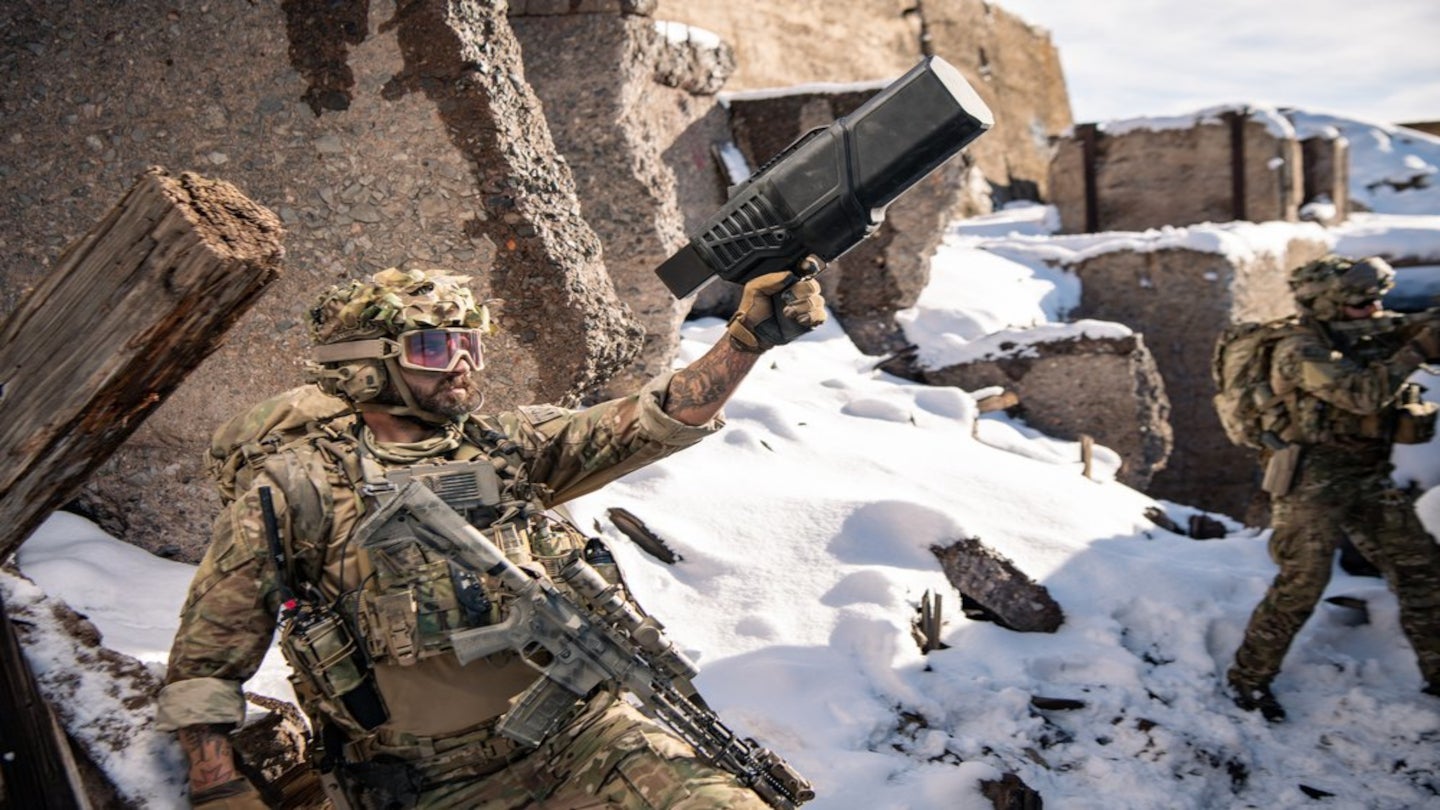
The DroneGun Mk4 is a handheld counter-drone jammer made by DroneShield. It is an Australian company with a global footprint . The device is designed to disrupt drone communications.
Read Also: Celebra Tech Reveals Combat Prototype of Tryzub Laser for Mobile Drone Defense
It looks like a bulky pistol. It is not a weapon in the traditional sense. It does not fire bullets. It fires radio waves.
The Mk4 is the middle child in the DroneShield lineup. The DroneGun Tactical is heavier and longer-range. The DroneGun Mk3 is lighter. The Mk4 balances weight and performance.
DroneGun Mk4 Specifications: The Numbers That Matter
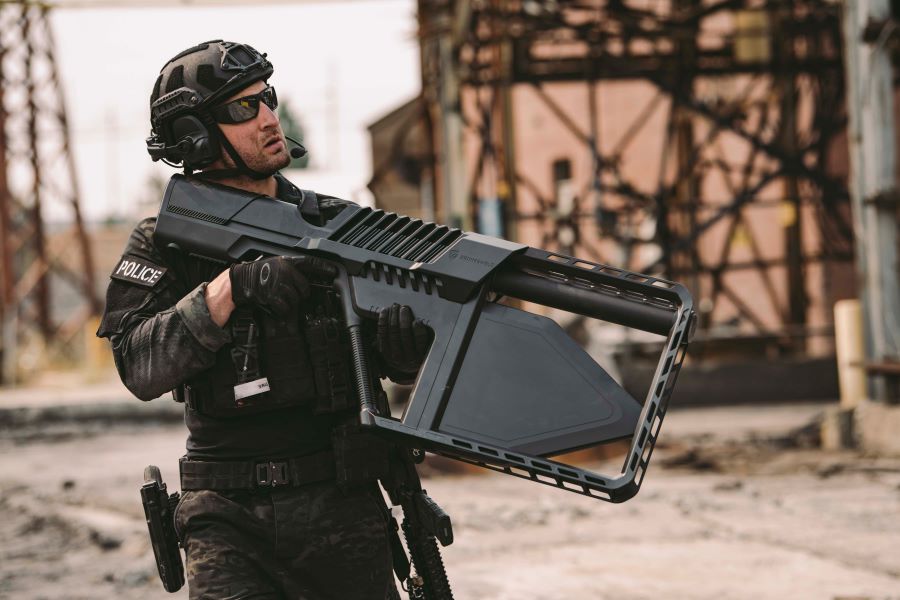
The DroneGun Mk4 specifications are what make it a valuable tool. Here is what the data shows.
Weight and Dimensions:
It weighs 3.2 kg (7 lbs) including the battery. That is not light. You cannot hold it out for hours without fatigue. But it is lighter than the Tactical version, which weighs 7 kg. The dimensions are 640 x 220 x 410 mm or 660 x 356 x 213 mm depending on the source. It is roughly the size of a small carbine.
Durability:
The Mk4 has an IP67 rating. That means it is dust-tight and can survive being submerged in up to a meter of water for 30 minutes. It works in extreme temperatures from -20°C to +55°C. I have seen it used in desert conditions. It holds up.
Power and Runtime:
The device uses a NATO-standard, quick-release lithium-ion battery. It starts up in less than three seconds. The operation time is over one hour of aggregate use. It supports pass-through charging, which is a nice feature. You can plug it in and keep operating if needed.
Frequencies and Jamming:
The Mk4 targets a wide range of ISM (Industrial, Scientific, and Medical) bands and GNSS (Global Navigation Satellite System) frequencies.
You Must Also Like: Women in Armed Forces 2026: The Ultimate Guide to History, Roles, and Rankings
It simultaneously disrupts control, navigation, and video links. When a drone loses these signals, it usually goes into a pre-programmed fail-safe mode. It either lands vertically or returns to its operator.
Range:
The official range is up to 1 km . Some sources claim 1.5 km . The manufacturer has declined to comment on the exact RF jamming range. In practice, effective range varies by the drone and environmental conditions.
Field Performance: How It Actually Works?
I have watched the Mk4 used in a controlled demonstration. The operator aimed it at a small quadcopter. The drone was hovering about 300 meters away. Within seconds, the drone stopped responding. It went into a controlled descent and landed.
The Advantages:
-
Non-Kinetic: It does not destroy the drone. It just forces it down. This is important. It allows for forensic investigation of the drone and its payload.
-
Versatility: It works on multiple types of drones. The Janes report says it is effective even against military drones like the Russian Orlan-10.
-
Ease of Use: The controls are intuitive. A single trigger initiates the jamming. Visual LEDs confirm the disruption.
-
Effective in Harsh Environments: The IP67 rating matters. Security forces have used it in the field in adverse conditions.
The Limitations:
-
It Is Not a "Gun": It does not shoot down drones. If the drone is programmed to return to its operator when it loses signal, it will do that. You cannot stop it from flying back .
-
Limited Effective Range: The 1 km range is for optimal conditions. In my experience, it drops significantly in bad weather or heavy radio interference.
-
Operator Fatigue: At 3.2 kg, it is not a weapon you want to carry for a long patrol. It is a point-and-shoot device, not a primary weapon.
-
No "Smart" Targeting: It jams everything in its path. You cannot select a specific drone. It is a blanket effect. This is why it is restricted to military and law enforcement use.
Who Is Buying It?
The Mk4 is not sold to the public. It is for qualified end-users. That usually means military, law enforcement, and government agencies. There have been significant contracts:
-
European Military: A $5.2 million order for DroneGun Mk4s and RfPatrol detectors was placed by a European country in 2025.
-
Belgian Military: A €2.8 million contract was signed by Belgium for anti-drone systems, which include the Mk4.
-
Colombian Army: In 2026, the Colombian Army received five more units donated by the Antioquia government. They have previously received 40 units.
The Legal Question: Are Anti-Drone Guns Legal?
The are anti drone guns legal question is a major one. The answer is a firm "no" for civilians. In the United States, the DroneGun Mk4 is not authorized by the FCC for sale or lease to any person or entity other than the US government and its agencies.
Similar laws restrict its availability in other jurisdictions. These devices interfere with licensed radio frequencies. They can disrupt emergency communications and other critical infrastructure. That is why they are restricted.
My Verdict on the DroneGun Mk4
The DroneGun Mk4 is a specific tool for a specific threat. It is an excellent counter-drone jammer. It is not a magic wand. It is a reliable, durable piece of technology that does exactly what it is supposed to do. It stops drones by jamming their signals.
The DroneGun Mk4 price is not publicly listed. It is a specialized military device sold through contracts. Expect to pay tens of thousands of dollars for a single unit. The DroneGun Mk4 range of up to 1 km is respectable. The build quality is exceptional.
I would recommend this to a military or law enforcement unit looking for a portable, non-kinetic solution. I would tell a private citizen to stay away. It is illegal. It is dangerous to use. It is not for them.
The DroneGun Mk4 specifications and field performance make it a leader in its class. It is a product that has proven itself in the real world. It is not just a prototype. It is a deployed system that is actively protecting people and assets.