
The debate between wheeled and tracked infantry fighting vehicles has intensified as militaries worldwide modernize their armored fleets. I have spent time with armored units operating both configurations across different terrains, and the choice is rarely as straightforward as specifications suggest.
Tracked vehicles like the Bradley have dominated battlefields for decades, but wheeled platforms such as the Lazar 3 and modern 8x8 designs now offer comparable firepower and protection.
Understanding what each configuration actually delivers in operational conditions matters more than comparing paper statistics.
Ground Pressure and Mobility: The Core Difference
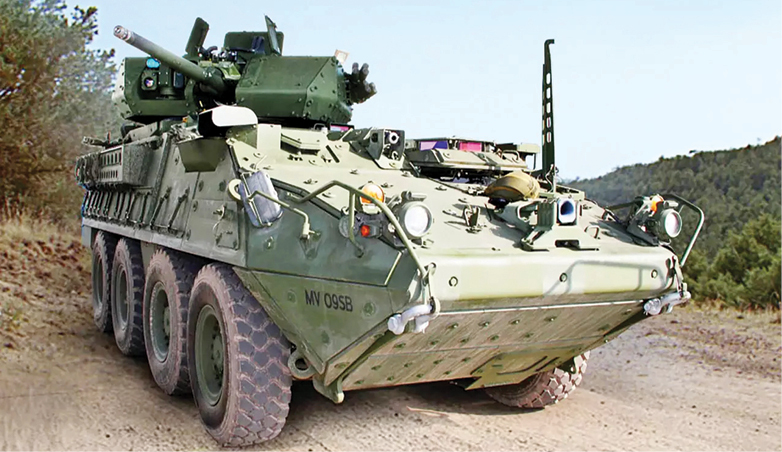
Tracked vehicles spread their weight across a larger surface area. This results in significantly lower ground pressure than wheeled alternatives of similar weight. That simple fact translates to better performance on soft terrain.
Read Also: Army Accelerates Robotic Combat Vehicle (RCV) Deployment: What You Need to Know?
A tracked IFV exerts roughly half the ground pressure of a wheeled vehicle at equivalent weight. During an exercise I observed in European training areas, a tracked CV90 crossed muddy fields where an 8x8 wheeled vehicle struggled and required recovery. The track's continuous surface contact prevents sinking in conditions that bog down wheeled platforms.
The physics are straightforward. Ground pressure determines whether a vehicle traverses soft soil or becomes immobilized. Tracked vehicles generally require lower soil strength to make a single pass compared to wheeled alternatives on identical terrain. This is why militaries operating in regions with wet seasons or poor road networks still favor tracked platforms for frontline units.
However, technology has narrowed this gap. Central Tire Inflation Systems allow wheeled vehicle operators to reduce tire pressure from inside the cab. This increases the contact patch and improves soft-ground performance.
Track-over-wheel systems, already used in construction equipment, increase surface contact area by 120-150% when applied to 8x8 platforms. This reduces ground pressure by approximately 10%. Military adoption remains limited, but the potential is clear.
Where Tracked Vehicles Excel?
Soft Terrain and Extreme Conditions
Tracked IFVs demonstrate superior mobility in mud, snow, sand, and other difficult ground conditions. The continuous track essentially carries its own road. This allows traversal where wheeled vehicles sink or lose traction. Snow operations up to three feet deep remain a mission profile almost exclusively reserved for tracked vehicles.
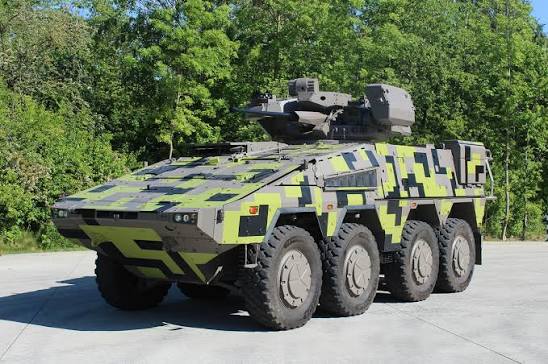
The difference becomes critical in combat scenarios. A commander at a NATO exercise described how his tracked units maintained offensive momentum through a spring thaw. His wheeled elements required route reconnaissance and recovery support. That tactical flexibility translates directly to operational capability.
Weight Capacity and Growth Margin
Tracked undercarriages accommodate heavier vehicle weights. This enables greater armor protection and weapon systems. Current wheeled technologies limit overall vehicle weight to approximately 35 tons. Tracked platforms regularly exceed this threshold. This has significant implications for protection.
The German Puma and other heavy IFVs demonstrate the protection levels possible with tracked configurations. These vehicles offer survivability approaching main battle tank standards. Wheeled platforms cannot match this at similar weight. For armies facing advanced anti-tank threats, this protection gap matters.
Firing Platform Stability
Tracked vehicles provide a more stable firing platform. This is particularly important when employing heavier weapons. The metal track system offers less bounce than rubber tires. This improves accuracy when firing on the move.
Gun stabilization systems in tracked vehicles only need to counteract suspension movements. Wheeled systems must also overcome tire flex. This translates to better first-round hit probability in combat situations. I observed this during live-fire exercises where tracked IFVs consistently achieved higher hit rates during moving engagements than their wheeled counterparts.
Where Wheeled Vehicles Win?
Road Speed and Strategic Mobility
Wheeled IFVs significantly outperform tracked vehicles on roads. An 8x8 vehicle can sustain 60 mph for hundreds of miles without the mechanical issues that plague tracked systems during extended road movement. Tracked vehicles suffer from track wear, overheating, and increased vibration at sustained high speeds.
The strategic implications are substantial. During operations in the former Yugoslavia, Russian forces using wheeled vehicles arrived at key locations days before NATO tracked units, which required rail transport. Wheeled vehicles drive themselves to the fight. This reduces deployment time and simplifies logistics.
Maintenance and Logistics
Wheeled IFVs require substantially less maintenance than tracked vehicles. The RAND Corporation analysis found that a tracked vehicle has significantly more supportability needs than an equivalently protected wheeled vehicle. This affects fleet availability and operational costs.
The difference becomes stark when comparing lifecycle expenses. Wheeled systems avoid the high wear rates of track components. This reduces spare parts requirements and maintenance downtime. For a given budget, more wheeled vehicles can be kept operational than tracked alternatives.
Crew Comfort and Operational Endurance
Wheeled vehicles offer superior ride quality compared to tracked platforms. The heavy vibration of tracked vehicles causes crews to lose focus. Transported troops suffer body aches at a much faster rate. Tire-cushioned suspension systems reduce fatigue during extended operations.
This is not simply a comfort issue. Fatigued crews make poorer tactical decisions and react more slowly to threats. Wheeled IFV occupants maintain combat effectiveness longer during sustained operations. This is particularly important during road marches that precede combat.
Mine Survivability
Wheeled vehicles demonstrate better survivability against mine strikes. Greater ground clearance reduces blast impact. The complex hull geometries possible with this increased space further mitigate explosive effects.
A 6x6 or 8x8 vehicle often remains road-worthy following a mine strike. With a single disabled wheel, the vehicle can extract itself from dangerous situations. It frequently can continue the mission.
Tracked vehicles, by contrast, are immobilized by a single track pin shearing from a blast. This renders them vulnerable to follow-up attacks. This was observed repeatedly during operations in Iraq.
Technical Assessment Methods
Military planners use established methods to evaluate vehicle mobility. The Waterways Experiment Station Vehicle Cone Index model calculates a Mobility Index based on vehicle design characteristics. It then determines the minimum soil strength required for successful passage.
You Must Also Like: THAAD vs. Iran's Missiles: The 2026 US Shield That Could Decide a Gulf War
The Mean Maximum Pressure concept, used by British Army engineers, evaluates mobility on clay soils. Lower MMP values indicate less sinkage and better trafficability. For tracked vehicles, MMP is calculated using vehicle weight, track width, and road wheel configuration. Wheeled vehicles require additional factors including tire deflection and axle configuration.
These methods produce quantitative comparisons. A tracked vehicle with lower ground pressure than a wheeled alternative will show better VCI and MMP values. This confirms the practical advantages observed in field conditions.
The Weight Class Trade-Off
The RAND analysis for Australian mounted close combat operations provides useful framework. For medium-class vehicles (20-35 tons), the differences between tracked and wheeled configurations are decreasing.
Wheeled platforms in this weight class offer similar protection and firepower to tracked counterparts. They also provide significant logistics and strategic mobility advantages.
The relationship reverses for heavy vehicles over 35 tons. Weight constraints make heavy wheeled IFVs impractical. Increasing tire size to support greater weight creates vehicles that are unwieldy with large turning radii. Tracked platforms in this class provide greater growth margin for future upgrades.
For lighter vehicles under 20 tons, both tracked and wheeled configurations offer excellent mobility. However, they provide limited protection against modern threats. These vehicles typically cannot incorporate the armor or active protection systems needed for high-intensity combat.
Emerging Technologies That Change the Equation
Hybrid-Electric Drives
The US Army's XM30 program requires hybrid-electric powertrains for improved fuel efficiency. These systems also provide reduced thermal and acoustic signatures.
Silent watch capability is another key requirement. These benefits apply to both tracked and wheeled configurations. However, current development favors tracked platforms due to weight requirements.
Active Protection Systems
Both tracked and wheeled IFVs can now integrate Active Protection Systems. These systems intercept incoming missiles and rockets. The Bradley M2A4E1 incorporates the Iron Fist system. It detects threats with radar and infrared trackers before launching countermeasures. This technology reduces the protection gap between vehicle types.
Unmanned Turrets
Remotely operated weapon stations improve crew survivability while maintaining lethality. The DRDO's Vikram VT 21 platforms feature these systems. They work effectively on both tracked and wheeled configurations. This allows weight savings that can be directed to other capabilities.
Practical Selection Guidance
Choose Tracked When:
-
Operating primarily in soft terrain, mud, or extreme conditions
-
Maximum protection against modern anti-tank threats is required
-
Future weight growth for upgraded armor or weapons is anticipated
-
Operating in environments where off-road mobility determines tactical success
Choose Wheeled When:
-
Strategic deployment speed and road mobility are priorities
-
Logistics support is limited or extended operational ranges are required
-
Operating primarily in urban environments or areas with developed road networks
-
Budget constraints favor lower lifecycle costs
Avoid Common Mistakes
Do not compare tracked and wheeled IFVs based solely on specifications. Operational context determines which configuration performs better. A wheeled IFV that appears adequate on paper may fail in the soft ground conditions where combat actually occurs.
Do not underestimate logistics requirements. The support footprint for tracked vehicles is substantially larger. This affects not only cost but operational sustainability during extended campaigns.
Do not assume technology has eliminated the tracked advantage. While wheeled platforms have improved, tracked vehicles still outperform them in the most demanding terrain. The gap has narrowed but not disappeared.
What the Market Shows?
Global IFV procurement reflects these trade-offs. The US Army continues pursuing the XM30 tracked IFV to replace Bradley. General Dynamics Griffin III and Rheinmetall Lynx are the finalists.
China has fielded new 8x8 wheeled assault vehicles based on the Type 19 platform for medium brigades. They have retained tracked vehicles for heavy forces. India's DRDO Vikram VT 21 offers both wheeled and tracked variants. This allows operators to select configurations based on operational needs.
Serbia's Lazar 3 demonstrates the capabilities possible with modern wheeled IFVs. Independent suspension, remote weapon stations, and mine protection provide capabilities that would have been unthinkable on wheeled platforms a generation ago. Yet the vehicle's 110 km/h road speed and reduced support requirements make it attractive for operations where tracked mobility is less critical.
The Final Thoughts
The wheeled versus tracked debate cannot be resolved with a single answer. Mission requirements, terrain, logistics support, and budget determine which configuration provides the best solution.
Heavy forces conducting close combat in demanding terrain benefit from tracked mobility and protection. Rapid reaction forces and units operating in developed areas gain advantages from wheeled platforms.
The technology gap continues narrowing. Modern wheeled IFVs offer protection and firepower approaching tracked equivalents at medium weight classes. Hybrid drives, advanced suspensions, and active protection systems further blur the distinction. However, for the most demanding combat missions in difficult terrain, tracked vehicles retain their advantage.
Choose based on operational reality, not specifications. The decision determines not just vehicle performance but the entire logistics and operational concept supporting it. Get this wrong, and the consequences extend far beyond the procurement office.