
I spent a week embedded with a submarine crew during a NATO exercise years ago. The most telling moment wasn't a torpedo drill. It was watching the captain's face when the diesel engine kicked on.
For forty minutes, his boat was loud, vulnerable, and blind to half the ocean. That's the problem air independent propulsion submarines were built to solve. They don't make a conventional sub invincible.
They make it quiet for long enough to matter. Here's the honest breakdown of how AIP works, how long it actually stays under, and why navies are betting on it despite the trade-offs.
How Long Can an AIP Submarine Stay Submerged?
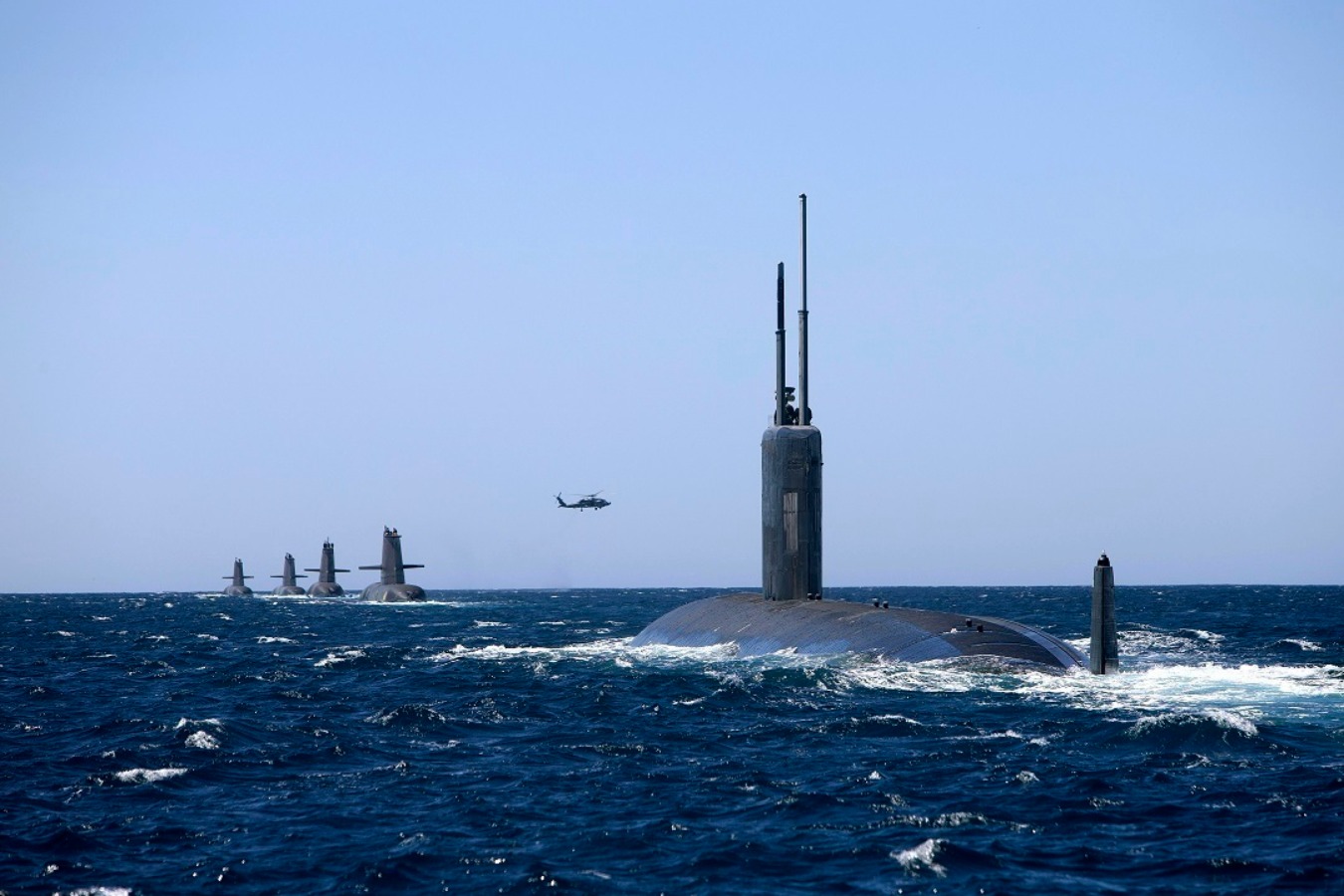
This is the question everyone asks first. The answer depends on the technology and the speed.
A standard diesel-electric submarine running on batteries alone can stay under for roughly 48 hours before it must surface or snorkel to recharge. That window is dangerous. A periscope or snorkel creates a radar signature. The diesel engine makes noise. The boat is exposed.
Read Also: How US Air Force Intercepts Ballistic Missiles in Middle East?
AIP changes the math. According to DRDO, an AIP-equipped submarine can operate underwater for up to two weeks before needing to recharge.
Chinese military reporting puts the figure at two to three weeks of low-speed silent cruising, roughly four to six times the endurance of a battery-only boat.
India's P-75I program, which uses German fuel cell AIP modules, aims for 21 days of continuous submerged operation . That's a design target, not a guarantee. Real endurance depends on speed, depth, and how much the crew runs non-propulsion systems.
The honest caveat: AIP is not nuclear. It still needs to surface eventually. It just delays that moment long enough to change the tactical picture.
How Does Air Independent Propulsion Work?
The principle is simple. A conventional sub needs atmospheric oxygen to run its diesel engine. AIP systems carry their own oxidizer, usually liquid oxygen, so the engine or fuel cell can run without outside air.
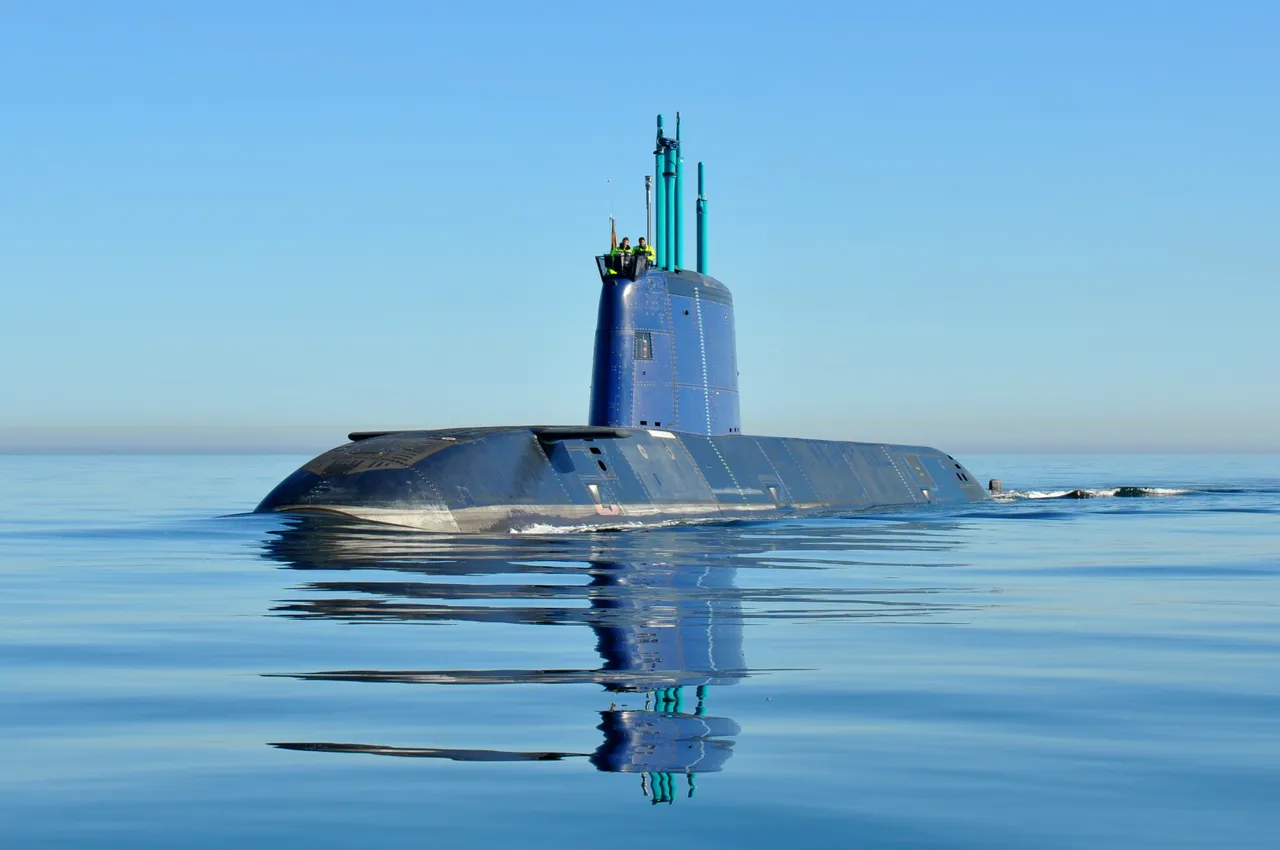
Three technologies dominate the market today.
Stirling engines use diesel fuel and stored oxygen to heat a working gas that drives pistons. Sweden's Gotland-class was the first operational AIP submarine using this method. It's proven, relatively simple, and quieter than a diesel generator. Japan and China use it too.
Fuel cells combine hydrogen and oxygen electrochemically to produce electricity, with water as the only waste product. There are no moving parts. That means very low acoustic signature.
Germany's Type 212 and India's DRDO system use this approach. DRDO claims fuel cell AIP delivers better performance than other technologies because of its efficiency and quietness.
MESMA (Module d'Energie Sous-Marine Autonome) uses ethanol and oxygen in a closed-cycle steam turbine. It's powerful but less efficient than fuel cells. France uses it on export submarines.
The trade-off is universal. AIP adds weight, volume, and complexity. It doesn't replace the diesel engine. It supplements it. Most AIP subs still carry a diesel generator for surface or snorkel charging.
The Real Advantage: Quiet, Not Fast
AIP submarines are not fast underwater. Most systems produce only a few hundred kilowatts, enough for patrol speeds of four to five knots. They won't outrun a nuclear attack submarine.
You Must Also Like: Pakistan Air Force Il-78 Escort for US-Iran Delegations
That's not the point.
The point is silence. A fuel cell AIP has almost no moving parts. A Stirling engine is quiet but not silent. A nuclear reactor, for all its endurance, constantly pumps coolant.
That machinery makes noise. An AIP submarine sitting still on the seabed, running on a fuel cell, is harder to detect than almost anything else in the water.
That's why AIP boats are called ambush platforms. They don't chase. They wait.
The Trade-Offs Nobody Advertises
AIP is not a free upgrade. Three limitations matter.
It's expensive. A retrofit or new-build AIP system adds significant cost. The fuel and oxidizer are consumables. You need to replenish them. Not every port can do that.
It's a single point of failure in combat. If the AIP system breaks while you're in a contested area, you may not have the option to snorkel home. You have to surface, which is exactly what you were trying to avoid.
It doesn't solve the battery problem. AIP is best used to minimize battery drain, not to recharge a deeply discharged battery. Recharging via AIP would take too long and waste reactants. You still need the diesel engine for that.
The Real-Time Example: India's Program
India just hit a milestone. In October 2026, DRDO inaugurated the "Setting to Work Phase-2" activity for its indigenous AIP Energy Module at Larsen & Toubro's Hazira facility.
The module will be energized and tested before integration onto a Kalvari-class submarine in early 2027.
This matters because India operates Scorpene-class submarines built without AIP. The DRDO system is a retrofit. It's a fuel cell design, which means low acoustic signature. The timeline is aggressive. The testing phase will determine whether the claims hold up at sea.
For navies that can't buy nuclear submarines, AIP is the only path to extended submerged endurance. It's not a compromise. It's a different kind of capability. Quieter, slower, and cheaper than nuclear. Limited, but lethal in the right hands.
The Final Thoughts
Don't think of AIP as a mini nuclear reactor. Think of it as a way to stay hidden longer than you could before. The two-week endurance figure is real, but it comes with conditions. Slow speed.
Careful power management. A crew that knows how to stretch every kilowatt.
The technology is mature. Sweden proved it. Germany refined it. India is building it. The question for any navy is whether the trade-offs fit their mission. For coastal defense and choke-point denial, AIP makes sense. For global power projection, nothing replaces nuclear.
The silent threat isn't the submarine that can stay under forever. It's the one that can stay under long enough to make you forget it's there.