
The US Air Force and its missile defense systems have been tested like never before in 2026. Since the war with Iran began on February 28, Iran has launched over 500 ballistic missiles.
These attacks have targeted US forces and assets across the Middle East, including bases in Jordan, the UAE, and Qatar. The systems are working. Intercept rates have been around 90 percent . But there is a problem. The US is running out of interceptors.
How US Air Force Intercepts Ballistic Missiles in Middle East?
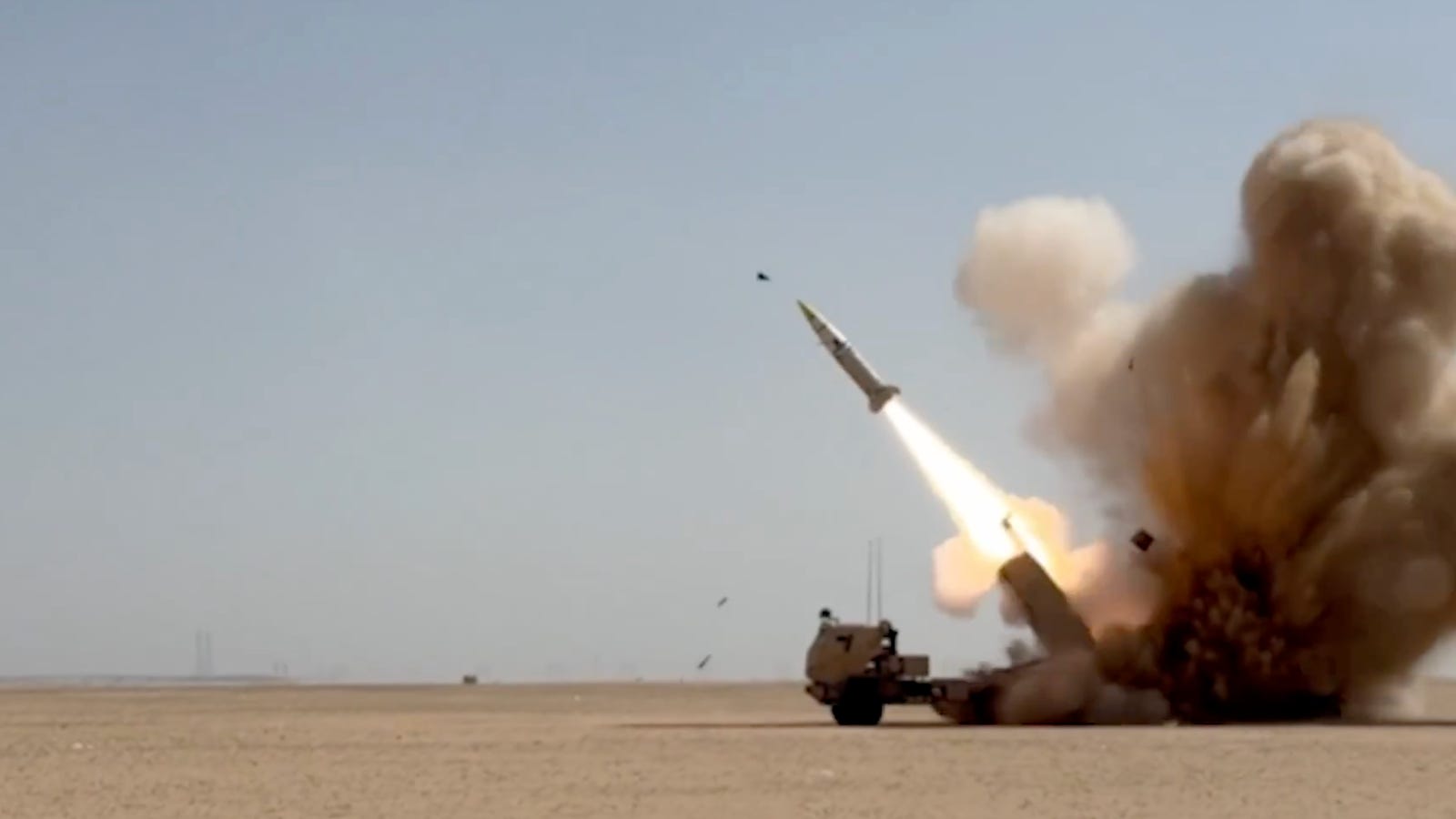
The Core Systems: THAAD and Its Radar
The primary system used for intercepting ballistic missiles is the Terminal High Altitude Area Defense (THAAD) system. Manufactured by Lockheed Martin, THAAD is designed to intercept short- and medium-range ballistic missiles in their terminal phase—the final stage of flight.
Read Also: From 91st Milestone to Full Force: Indian Army Inducts All 100 K9 Vajra Howitzers
A standard THAAD battery includes:
-
Six mobile launchers, each carrying eight interceptor missiles
-
The AN/TPY-2 radar for detection and tracking
-
A fire control and communications system
THAAD uses hit-to-kill technology. It has no explosive warhead. The interceptor destroys incoming missiles through kinetic energy—the sheer force of a collision at extreme speeds.
How the Intercept Works?
The process is straightforward. The AN/TPY-2 radar detects a ballistic missile launch from hundreds of miles away . It tracks the missile's trajectory.
THAAD interceptors are then launched to meet the incoming threat at a high altitude, sometimes even outside the Earth's atmosphere . The kinetic kill vehicle smashes into the warhead, destroying it with the physics of the collision.
The Vindication of THAAD
THAAD was not always reliable. In the 1990s, it failed six straight tests. Critics called it a failure. But after a major redesign, THAAD went 16-for-16 in intercept testing from 2006 onward. It became the only system in the American inventory that had never missed.
THAAD saw its first combat intercept in January 2022, when a UAE battery shot down a Houthi ballistic missile aimed at Abu Dhabi . In October 2024, a THAAD battery deployed to Israel with roughly a hundred US soldiers, the first time American troops were stationed inside another country's air defense network.
The 2026 Reality: Success and Crisis
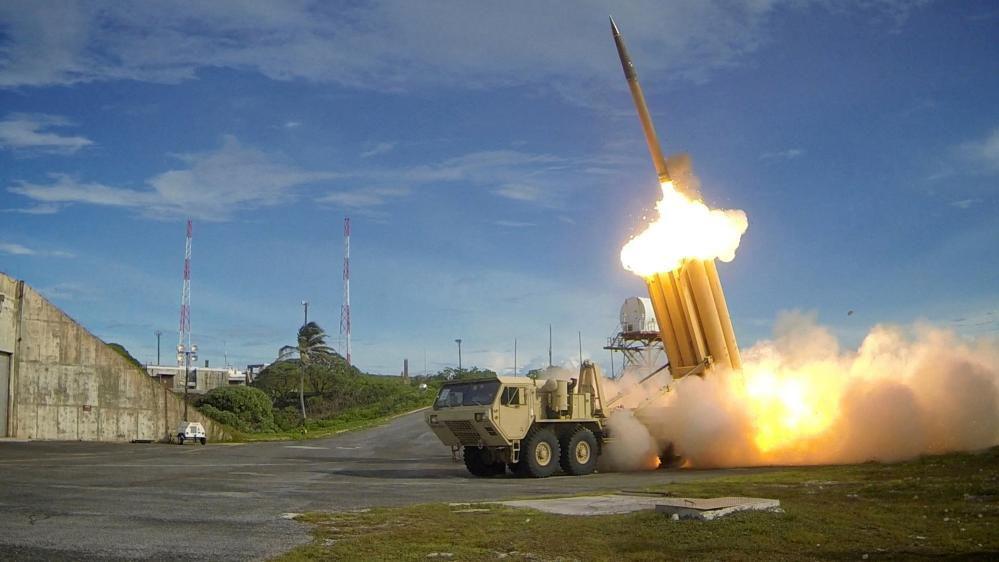
The current war in the Middle East has proven THAAD's effectiveness. Intercept rates have been around 90 percent against Iranian ballistic missiles.
You Must Also Like: How Do Air Independent Propulsion Submarines Work? Explained
But the success has come at a cost. The US Army has expended a massive number of THAAD interceptors. During the twelve-day Israel-Iran conflict in June 2025, the Army used an estimated 90 to 150 interceptors, roughly a quarter of the global inventory. The current war has depleted the stockpile even further.
The problem is production. Each THAAD interceptor costs between $12 million and $15 million. Replenishment timelines range from three to eight years due to production constraints. The US is simply not building them fast enough to keep up with the rate of use.
The Radar Vulnerability
The AN/TPY-2 radar is the most valuable asset in a THAAD battery, costing between $550 million and $1 billion . It is also the system's biggest vulnerability.
In March 2026, Iranian drones destroyed an AN/TPY-2 radar stationed at Muwaffaq Salti Air Base in Jordan . The drones cost between $20,000 and $60,000 each . The radar cost nearly a billion dollars. Without the radar, the THAAD battery at that location cannot independently search for or track targets .
The Strategic Move
To compensate for the losses, the US has moved parts of its THAAD system from South Korea to the Middle East . This decision has caused concern in Seoul, but South Korean President Lee Jae-myung acknowledged that "the reality is that we cannot fully push through our position" .
The move shows just how stretched US missile defense resources have become. The US operates only eight THAAD systems globally . At least half are now committed to operations .
FAQ's- About Missile Interception Meaning
What does missile interception mean?
Missile interception is the process of destroying an incoming missile before it reaches its target. Interceptors are launched to collide with the incoming missile at high altitudes. Systems like THAAD use hit-to-kill technology, meaning the interceptor destroys the warhead through kinetic energy rather than explosives .
How effective is the THAAD missile system?
THAAD has achieved interception rates of around 90 percent during the current war . The system has gone 16-for-16 in intercept testing since 2006 . However, the US is running out of interceptors, and production cannot keep up with the rate of use .
What is THAAD missile defense and which countries have it?
THAAD stands for Terminal High Altitude Area Defense. It is a US-made system designed to intercept short- and medium-range ballistic missiles . The US operates eight systems globally . THAAD batteries are deployed in the US, South Korea, Israel, Jordan, and the UAE . The US also recently moved parts of its South Korean THAAD system to the Middle East to compensate for losses .
Is the US running out of THAAD interceptors?
Yes. A congressional report indicates that the stockpile of THAAD interceptors has been significantly depleted due to the rate of use . Each interceptor costs between $12 million and $15 million, and replenishment can take three to eight years . The US has had to move interceptors from South Korea to the Middle East to maintain operations .
Where have US ballistic missile defenses been deployed in the Middle East?
US missile defense systems have been deployed across the region. THAAD batteries have been stationed in Jordan, the UAE, Qatar, and Israel . The AN/TPY-2 radar was destroyed at Muwaffaq Salti Air Base in Jordan . THAAD successfully intercepted missiles targeting Al Dhafra Air Base in the UAE .