
The submarine is the ultimate stealth weapon. It hides beneath the waves. It strikes without warning. But it has a weakness. Air. Conventional submarines need oxygen to run their diesel engines. They surface or raise a snorkel to get it. That exposes them to enemy radar. To enemy sonar. To enemy eyes.
Enter Air Independent Propulsion or AIP. This technology lets non-nuclear submarines stay underwater for weeks. Not days. Weeks. It gives them a "force multiplier effect" on lethality. It changes the game entirely.
I have followed defense technology for years. I have watched how AIP shifts the balance of power. It makes smaller, cheaper submarines almost as dangerous as nuclear ones. Almost. Let me explain exactly how it works, the different types, and why countries like India are racing to build their own.
The Core Problem: A Submarine's Need for Air
Why Conventional Subs Are So Vulnerable?
Imagine a diesel-electric submarine. It is essentially a big battery underwater. That battery powers the electric motor. It runs the lights. It runs the life support. But batteries drain fast.
Read Also: Project 18 Next Generation Destroyer Specifications And Features
To recharge, the submarine must run its diesel engines. Those engines need oxygen to burn fuel. Underwater, there is no oxygen. So the submarine must surface or extend a snorkel. It sucks in air. It runs the generators. It charges the batteries.
This takes time. It takes hours. During those hours, the submarine is exposed. Radar can spot the snorkel. Satellites can see the wake. Enemy ships can close in. It is a terrifying window of vulnerability.
The Old Limits
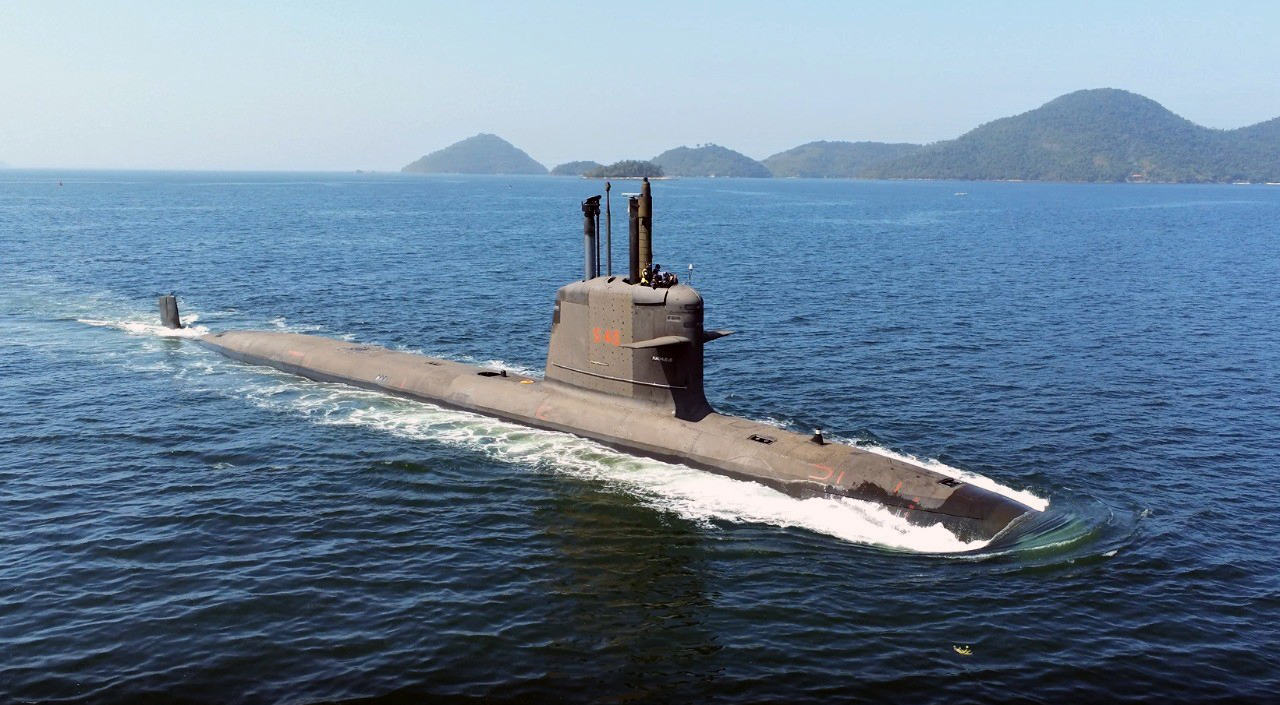
Conventional submarines can stay submerged for about 48 to 72 hours. Then they must surface. They are tied to the surface like a diver on a long hose. This limits their range. It limits their stealth. It limits their lethality.
Nuclear submarines solve this with a reactor. No air needed. They can stay submerged for months. But nuclear subs cost billions. They require specialized crews. They are complex to build and maintain.
AIP sits in the middle. It gives you nuclear-like endurance at a fraction of the cost.
How Air Independent Propulsion Actually Works?
The Basic Idea
AIP works by generating electricity underwater without atmospheric oxygen. Most AIP systems use chemical or thermal processes. They create electricity. That electricity either:
-
Powers the electric propulsion motor directly.
-
Recharges the submarine's batteries.
This breaks the dependence on surface air. The submarine can stay down for a fortnight or more. It becomes a true underwater predator.
The Three Main Types of AIP
There are several ways to achieve air independence. Each has its own strengths and weaknesses.
1. Fuel Cells (The Most Advanced)
This is the cutting edge. A fuel cell combines hydrogen and oxygen in a chemical reaction. The reaction produces electricity. The only waste product is water.
Fuel cells are highly efficient. They have no moving parts. That means they are incredibly quiet. A quiet submarine is a deadly submarine. Acoustic signature is everything underwater.
Germany's Type 212 and 214 submarines use fuel cell AIP. They are some of the quietest subs in the world.
2. Stirling Engines (The Workhorse)
This is an older technology but still effective. A Stirling engine uses heat to drive a piston. The heat comes from burning diesel. But the combustion happens in a closed chamber. The engine does not need outside air.
Sweden's Kockums company pioneered this. Their Gotland-class submarines use Stirling AIP. They are so quiet that the US Navy once rented one for anti-submarine training. They could not find it.
3. Closed-Cycle Diesel Engines (The Simple Approach)
This system takes a standard diesel engine. It modifies it to run on stored oxygen and inert gas. The engine exhaust is recycled. Carbon dioxide is removed. The remaining gas is mixed with fresh oxygen and burned again.
The French MESMA system is a version of this. It uses ethanol and liquid oxygen. The combustion drives a turbine. It works, but it is less efficient than fuel cells.
India's DRDO AIP System: A Case Study
The Phosphoric Acid Fuel Cell
India is developing its own AIP system. The Defence Research and Development Organisation (DRDO) is leading the effort. Their Naval Materials Research Laboratory (NMRL) in Pune is the main facility.
You Must Also Like: Firepower over Stealth: Why the BBG(X) Trump-class is the Navy’s 2026 Power Play?
Their system uses Phosphoric Acid Fuel Cell technology. This is different from standard fuel cells. It is more rugged. It tolerates fuel impurities better. It has a longer life.
But the real innovation is safety. Most fuel cells require storing hydrogen on board. Hydrogen is highly flammable. On a submarine, that is a nightmare.
DRDO's system generates hydrogen onboard. It does not store it. This eliminates a major safety risk. It is a clever solution.
The "Energy Module" and the Plug
The AIP system comes as an "energy module". This module fits into the submarine like a plug. Installing it requires cutting the hull. The plug is inserted. The hull is welded back together. This process is called "jumboisation."
The energy module contains the fuel cells, the oxygen storage, and the control systems. It is a complex piece of engineering.
Integration into the Kalvari-Class
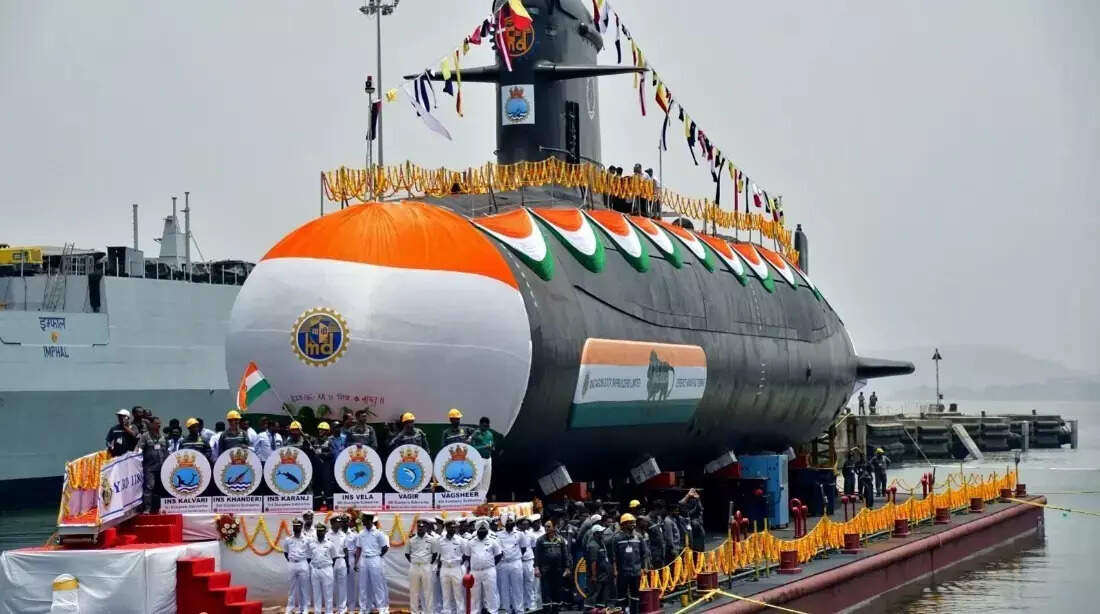
India's Scorpene-class submarines, called the Kalvari-class in Indian service, will get these AIP plugs. The first will be INS Khanderi. The integration is expected by late 2026. Sea trials will follow in 2027.
Once fitted, these submarines will stay submerged for 8 to 14 days. That is a massive jump from the current 2-3 days.
The Strategic Impact of AIP
Why AIP Submarines Are So Dangerous?
Stealth is everything underwater. AIP makes submarines stealthier in two ways. First, they surface less. Every time a sub surfaces, it risks detection. Less surfacing means less risk.
Second, AIP systems are quiet. Fuel cells have no moving parts. Stirling engines are mechanically simple. They produce far less noise than diesel generators.
A quiet submarine can lurk in shallow waters. It can ambush enemy ships. It can stalk other submarines. It becomes a true hunter-killer.
The Cost Advantage
AIP submarines are much cheaper than nuclear ones. A nuclear attack submarine costs over $2 billion. An AIP submarine costs $200 to $600 million. You can buy three or four AIP subs for the price of one nuclear sub.
That is a game-changer for medium-sized navies. They can build a credible underwater force without breaking the bank.
The Limitations
AIP is not perfect. It has real drawbacks.
Slow Speed: AIP systems provide limited power. Submarines running on AIP are slow. They can only cruise at a few knots. They cannot chase down fast targets.
Limited Endurance: AIP extends submerged time to weeks, not months. Nuclear submarines can stay under for months. AIP subs still need to surface eventually.
Increased Size and Cost: Adding AIP makes the submarine longer and heavier. It requires storing liquid oxygen onboard. This adds complexity. The unit cost increases by about 10%.
AIP vs. Nuclear: The Real Comparison
People often ask: Is AIP as good as nuclear? The short answer is no. But that misses the point.
Nuclear submarines have unlimited endurance. They can circle the globe underwater. They have immense power. They can sprint at 30 knots.
AIP submarines cannot do that. They are slow. Their endurance is measured in weeks, not months.
But nuclear submarines are expensive. They are complex. They require highly trained crews. They are not suitable for every navy or every mission.
AIP submarines are the practical choice for coastal defense. They are ideal for patrols. They are perfect for ambush tactics. They are a force multiplier for any navy.
Here is the key insight: AIP submarines are not a replacement for nuclear subs. They are a complement. They do different jobs.
The Future of AIP Technology
Current Global Players
Around 10 countries have developed AIP technology. Nearly 20 nations operate AIP submarines.
Germany leads with its fuel cell systems. Sweden pioneered Stirling engines. France has its MESMA system. China, Japan, and Russia are all developing their own variants.
India is joining this club with its DRDO system. This is a significant achievement. Indigenous AIP technology is a mark of naval power.
What Comes Next?
The next step is improving fuel cell efficiency. More power from less fuel. Longer endurance. Faster speeds.
There is also work on "air-independent" systems that do not require liquid oxygen storage. This would reduce weight and complexity.
Some researchers are looking at combining AIP with advanced battery technology. Lithium-ion batteries store more power. They recharge faster. Paired with AIP, they could push endurance even further.
Final Thoughts
Air Independent Propulsion is a transformative technology. It gives conventional submarines nuclear-like endurance. It makes them quieter. It makes them deadlier.
India's DRDO AIP system is a significant achievement. It joins an elite club of nations. It enhances the Indian Navy's capabilities.
But AIP is not a magic bullet. It has limits. It is slow. It has finite endurance. It adds complexity and cost. The real value of AIP is in the options it creates. Navies can build credible submarine forces without the expense of nuclear reactors. They can project power. They can defend their coasts. They can operate with stealth.
That is the promise of AIP. It is not about replacing nuclear submarines. It is about making every submarine more effective. It is about changing the balance of power beneath the waves.
Common Questions About Air Independent Propulsion
How long can an AIP submarine stay submerged?
AIP submarines can stay submerged for 8 to 14 days. Some claim up to a month. This depends on the specific system and the submarine's speed.
Is AIP quieter than nuclear?
Yes, generally. Fuel cells have no moving parts. Stirling engines are mechanically simple. Nuclear submarines have coolant pumps and turbines that make noise. AIP subs can be extremely quiet.
Why doesn't the US Navy use AIP?
The US Navy focuses on nuclear submarines. They operate globally. They need unlimited range and high speed. AIP does not meet their requirements. They prefer the flexibility of nuclear power.
Can AIP be added to existing submarines?
Yes. India is retrofitting its Kalvari-class submarines with AIP plugs. This requires cutting the hull and inserting the module. It is complex but possible.
What is the main advantage of AIP?
The main advantage is extended submerged endurance. This increases stealth. It reduces the risk of detection. It makes conventional submarines much more effective.